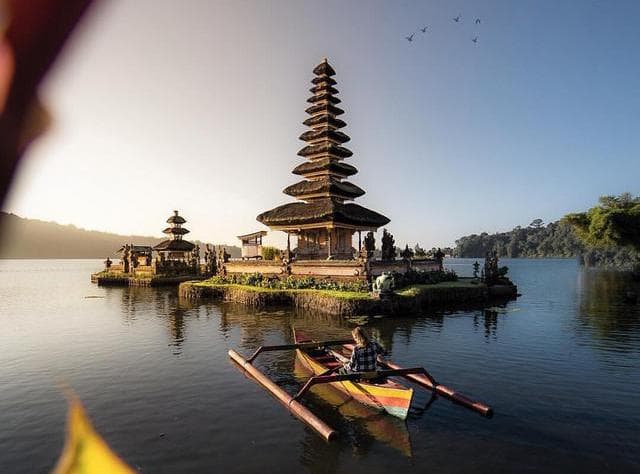
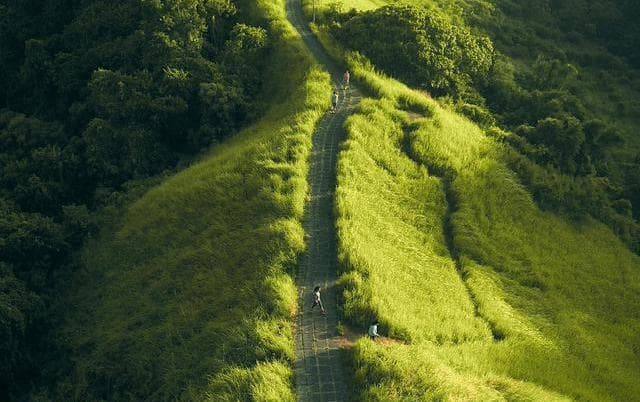
Wondering where to go in Ubud? Start with the places to visit in Ubud that sit within walking distance of the palace: the Sacred Monkey Forest Sanctuary, Ubud Palace and its evening dance, the Ubud Water Palace and the Campuhan Ridge Walk. Then head out of town for the big sights: Tegallalang Rice Terrace and the water temples of Tirta Empul and Pura Gunung Kawi Sebatu to the north, Goa Gajah to the east, and waterfalls such as Tegenungan, Tibumana and Tukad Cepung within an hour's drive.
Below are 24 places with 2026 entrance fees in IDR, opening hours, time needed and the honest catch for each. For the wider picture of the town, see our Ubud destination guide.
Quick Picks
- First visit: Sacred Monkey Forest Sanctuary, Ubud Palace (Puri Saren Agung), Tegallalang Rice Terrace, Tirta Empul
- Temples: Tirta Empul, Gunung Kawi Tampaksiring, Pura Gunung Kawi Sebatu, Goa Gajah (Elephant Cave)
- Waterfalls: Tukad Cepung Waterfall, Tibumana Waterfall, Tegenungan Waterfall, Suwat Waterfall, Kanto Lampo Waterfall
- Art museums: ARMA (Agung Rai Museum of Art), Neka Art Museum, Museum Puri Lukisan, Blanco Renaissance Museum
- Free things: Campuhan Ridge Walk, Penestanan village walk, Ubud Palace by day, Ubud Art Market, Setia Darma House of Masks and Puppets (donation box)
- With kids: Bali Bird Park, Setia Darma House of Masks and Puppets, Tibumana Waterfall, Sacred Monkey Forest Sanctuary (older kids)
- Day trip: Mount Batur sunrise trek in Kintamani, or a north loop of Tegallalang Rice Terrace, Pura Gunung Kawi Sebatu, Tirta Empul and Gunung Kawi Tampaksiring
Places to Visit in Ubud by Area
- Central Ubud: Sacred Monkey Forest Sanctuary, Ubud Palace (Puri Saren Agung), Ubud Water Palace (Pura Taman Saraswati), Ubud Art Market, Museum Puri Lukisan, and ARMA on Jl. Raya Pengosekan, all within about 2 km of the palace.
- Campuhan & Penestanan: Campuhan Ridge Walk, Blanco Renaissance Museum by the Campuhan bridge, the Penestanan village walk, and Neka Art Museum up the road in Sanggingan.
- North: Tegallalang & Tampaksiring: Tegallalang Rice Terrace, Pura Gunung Kawi Sebatu, Tirta Empul and Gunung Kawi Tampaksiring, 10–19 km from the palace.
- East: Bedulu & the Bangli waterfalls: Goa Gajah (Elephant Cave) and Yeh Pulu in Bedulu, Kanto Lampo and Suwat waterfalls towards Gianyar, then Tibumana and Tukad Cepung in Bangli.
- South: Mas, Kemenuh & Singapadu: Tegenungan Waterfall and Setia Darma House of Masks and Puppets in Kemenuh, and Bali Bird Park in Singapadu.
- Kintamani: Mount Batur sunrise trek, with Ubud pickup at about 2 AM.
How to Plan Your Day
Start early. Temples, rice terraces and waterfalls are cooler and quieter before 9 AM, and most open at 7 or 8 AM. Since 8 September 2026, central Ubud runs a one-way loop: Jl. Raya Ubud is eastbound only from the Monkey Forest junction to the Arjuna statue, Jl. Raya Pengosekan runs north, Jl. Sugriwa and Jl. Sukma Kesuma run north to Dalem Puri, and tour buses can no longer enter the centre (drop-off and parking are at Dalem Puri). Short drives across town now take longer, so walk between the central sights and group day trips by direction: north one day, east and south another. Carry cash for gate fees and parking. If you would rather not drive, a guided Monkey Forest and Tegallalang tour covers two of the classics.
Klook and Booking.com links are affiliate links: we may earn a commission if you book, at no extra cost to you.
Planning the rest of your stay? See our guides to the best hotels in Ubud and affordable hotels in Ubud (or compare Ubud stays on Booking.com), the best restaurants in Ubud, the best cafes in Ubud for an early breakfast, and the best spas in Ubud for after a day of temple steps, and the best bars in Ubud for the evening.
01Sacred Monkey Forest Sanctuary
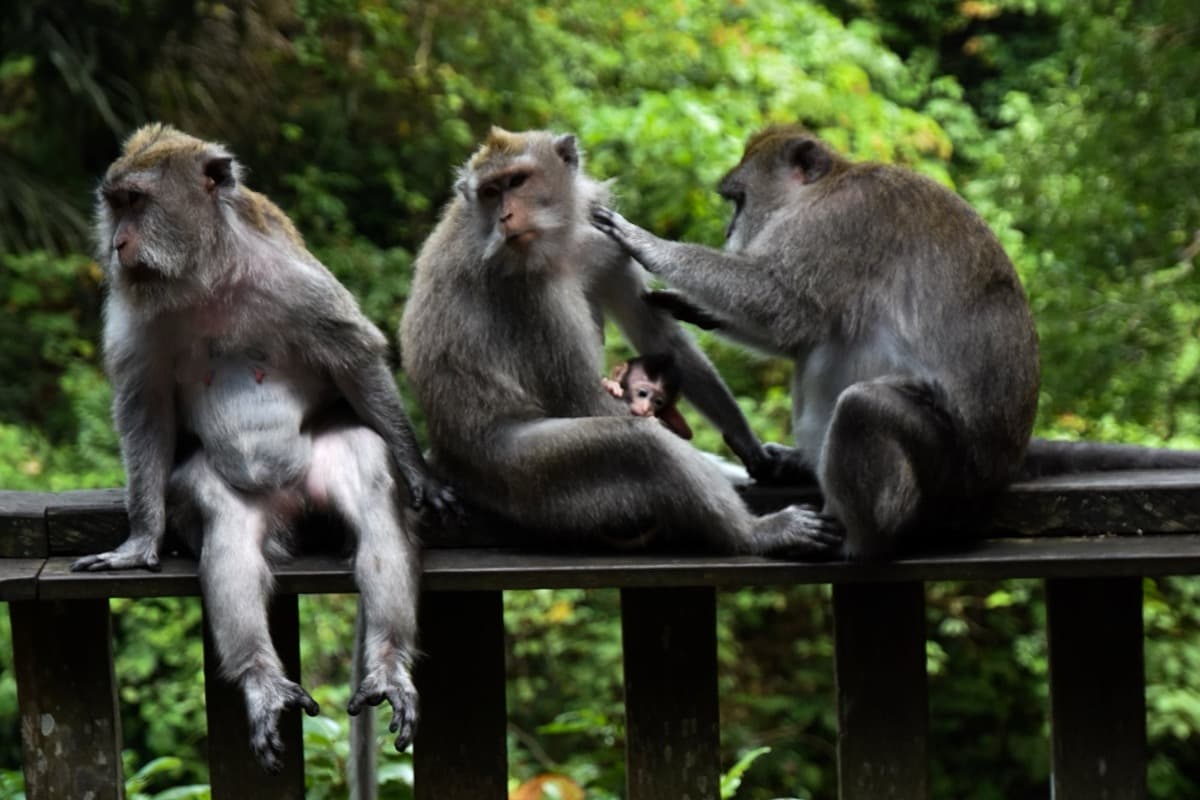
The Sacred Monkey Forest Sanctuary is Ubud's best-known sight: about 12.5 ha of forest at the bottom of Jl. Monkey Forest, home to more than 1,000 long-tailed macaques. The village of Padangtegal manages it, and three temples stand inside, including Pura Dalem Agung Padangtegal. The temples are for prayer only, but the moss-covered statues, giant trees and ravine paths are yours to walk.
Allow 1 to 1.5 hours. On Saturdays and Sundays a Balinese dance plays on the Open Stage at 11 AM and 4 PM. Since 1 April 2026 foreign adults pay IDR 130,000. The catch: the monkeys grab glasses, bottles and anything loose. Bring no food or plastic bags, use the lobby lockers, and never touch or feed the monkeys. A first-aid clinic on site treats scratches and bites.
At a glance
Sacred Monkey Forest Sanctuary
02Ubud Palace (Puri Saren Agung)
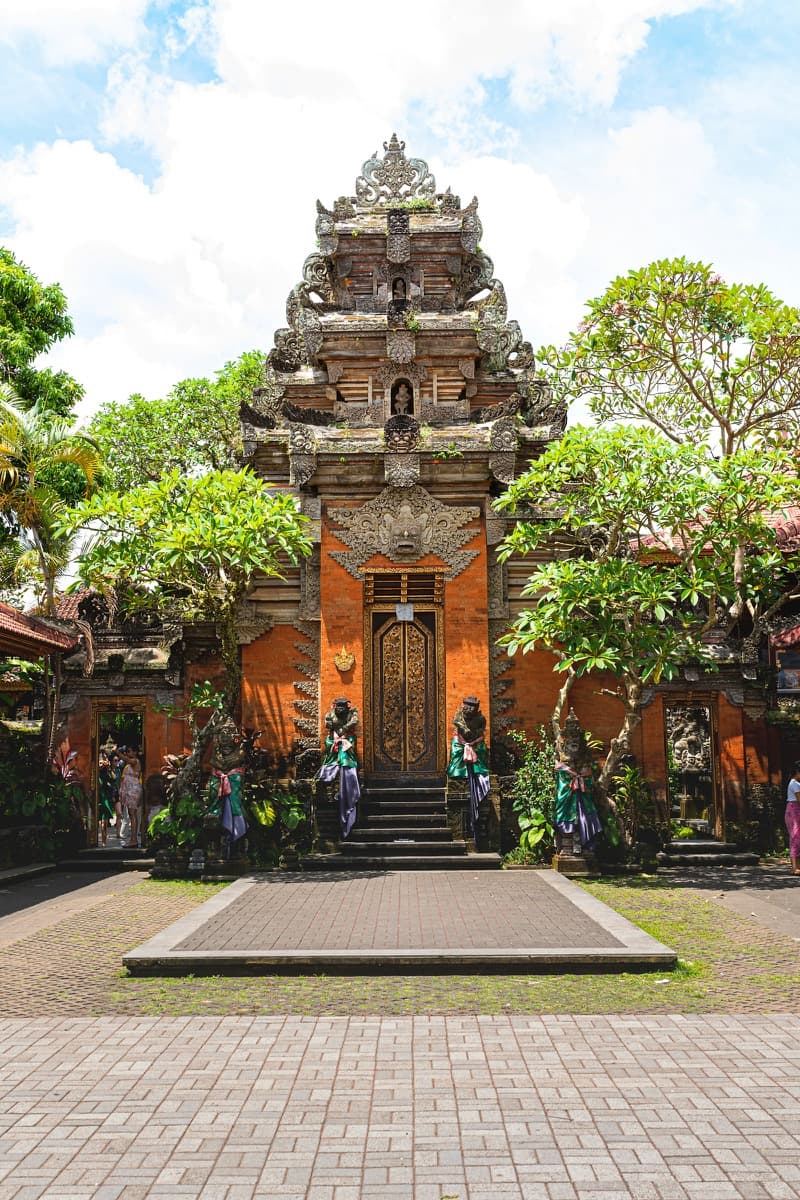
Ubud Palace (Puri Saren Agung) is the home of Ubud's royal family and the centre point of town, on Jl. Raya Ubud opposite the Art Market. It was rebuilt after the 1917 earthquake, and part of the stone carving is by I Gusti Nyoman Lempad, Ubud's best-known sculptor. By day you can walk the front courtyards for free and look at the carved gates and pavilions. The inner compound and family temple are private.
The real reason to come is the evening dance in the courtyard, with live gamelan from about 7:30 PM. Tickets cost about IDR 100,000, sold at the gate or by sellers on Jl. Raya Ubud from about 5 PM. A day visit takes only 20 to 30 minutes, so pair it with the market and the Water Palace next door.
At a glance
Ubud Palace (Puri Saren Agung)
03Ubud Water Palace (Pura Taman Saraswati)
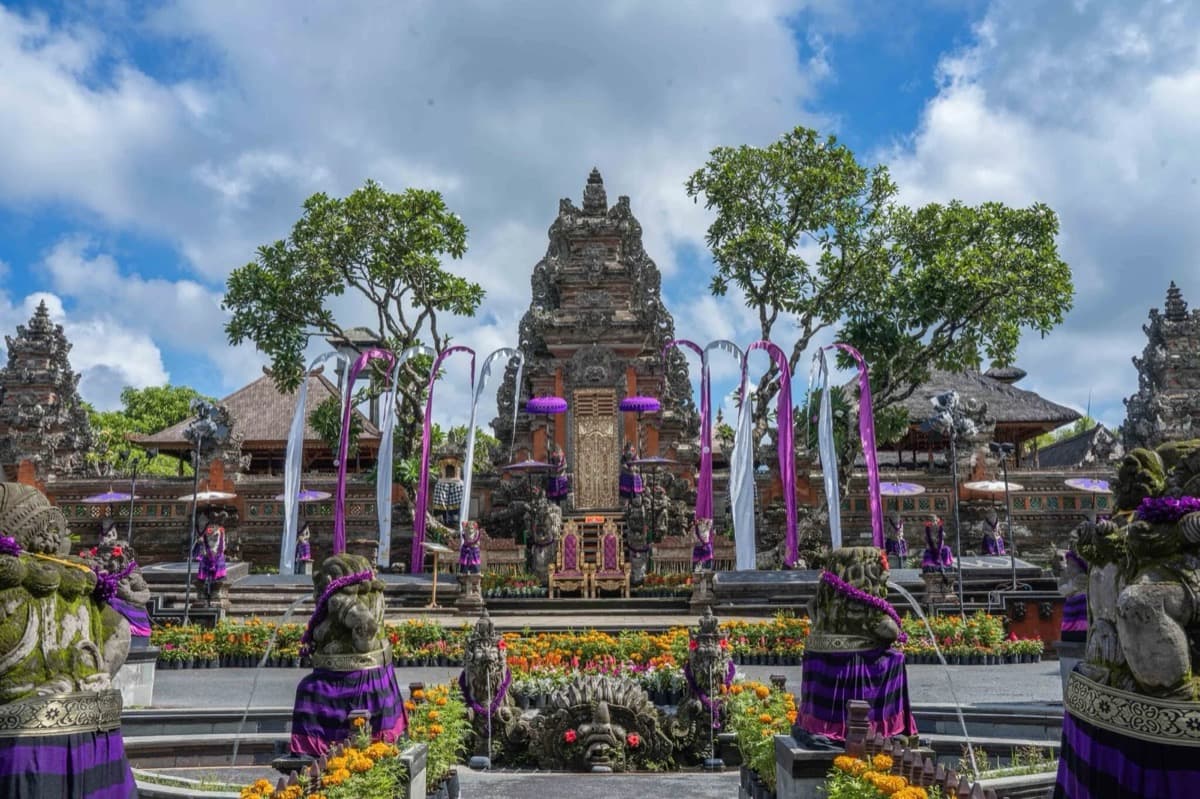
The Ubud Water Palace, officially Pura Taman Kemuda Saraswati, is a temple to Saraswati, the goddess of learning and the arts. I Gusti Nyoman Lempad built it in 1951–52 for Tjokorda Gede Agung Sukawati. A causeway crosses the lotus ponds to a carved red-brick gate, about 150 m west of Ubud Palace, beside Cafe Lotus.
It is no longer free. Entry is now about IDR 60,000, and a temple sarong is provided and required. You can visit the outer courtyard and ponds only; the inner temple is closed to visitors. The site is small: 20 minutes covers it, and it fills with photo-takers by mid-morning. Come at 8 AM for empty shots, or after dark, when the gate is lit and dances play on the pond stage.
At a glance
Ubud Water Palace (Pura Taman Saraswati)
04Ubud Art Market
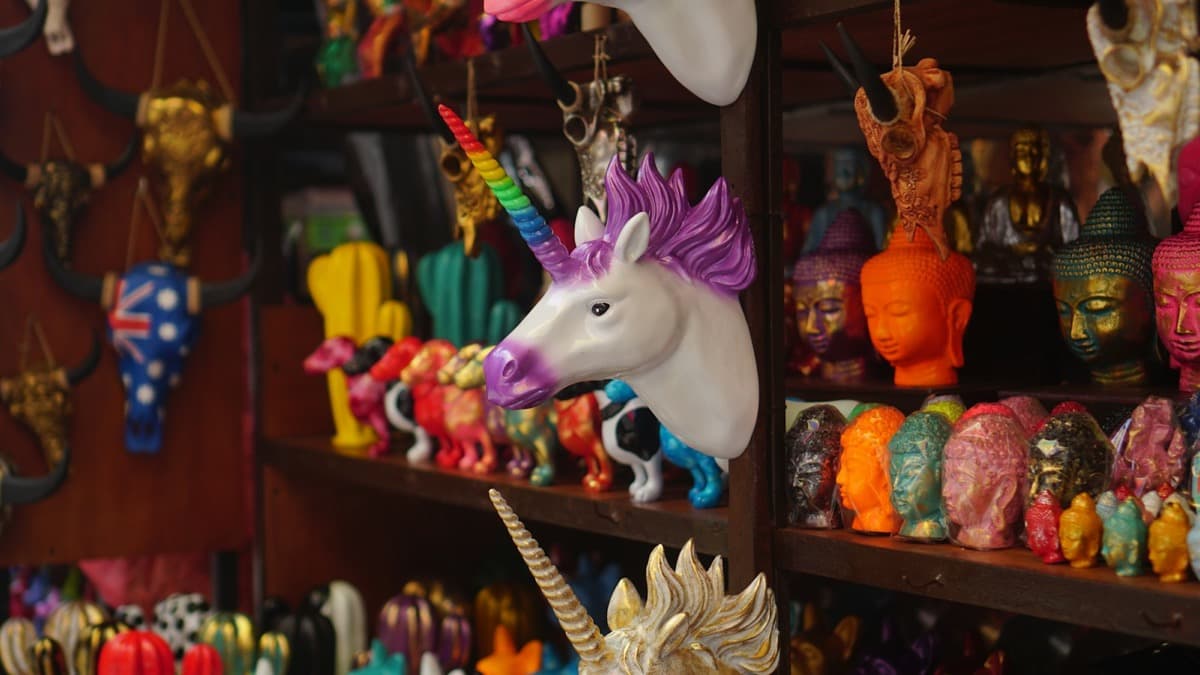
Ubud Art Market sits across Jl. Raya Ubud from the palace, in the rebuilt Pasar Rakyat Tematik Wisata Ubud building. Before 8 AM the lower level is a local produce and offerings market. After that, the upper floors and west block fill with rattan bags, sarongs, wood carvings, paintings and homewares. A fire on 17 August 2024 burned the east block. It was repaired and blessed on 16 February 2026, and traders began moving back from the end of February.
Treat it as a shopping stop, not an art sight. Many stalls sell the same items, and opening prices are high, so bargain politely and pay cash. Allow 45 minutes to 1.5 hours. Go early in the morning for local life and fewer crowds. For more, see the best markets in Bali.
At a glance
Ubud Art Market
05Campuhan Ridge Walk
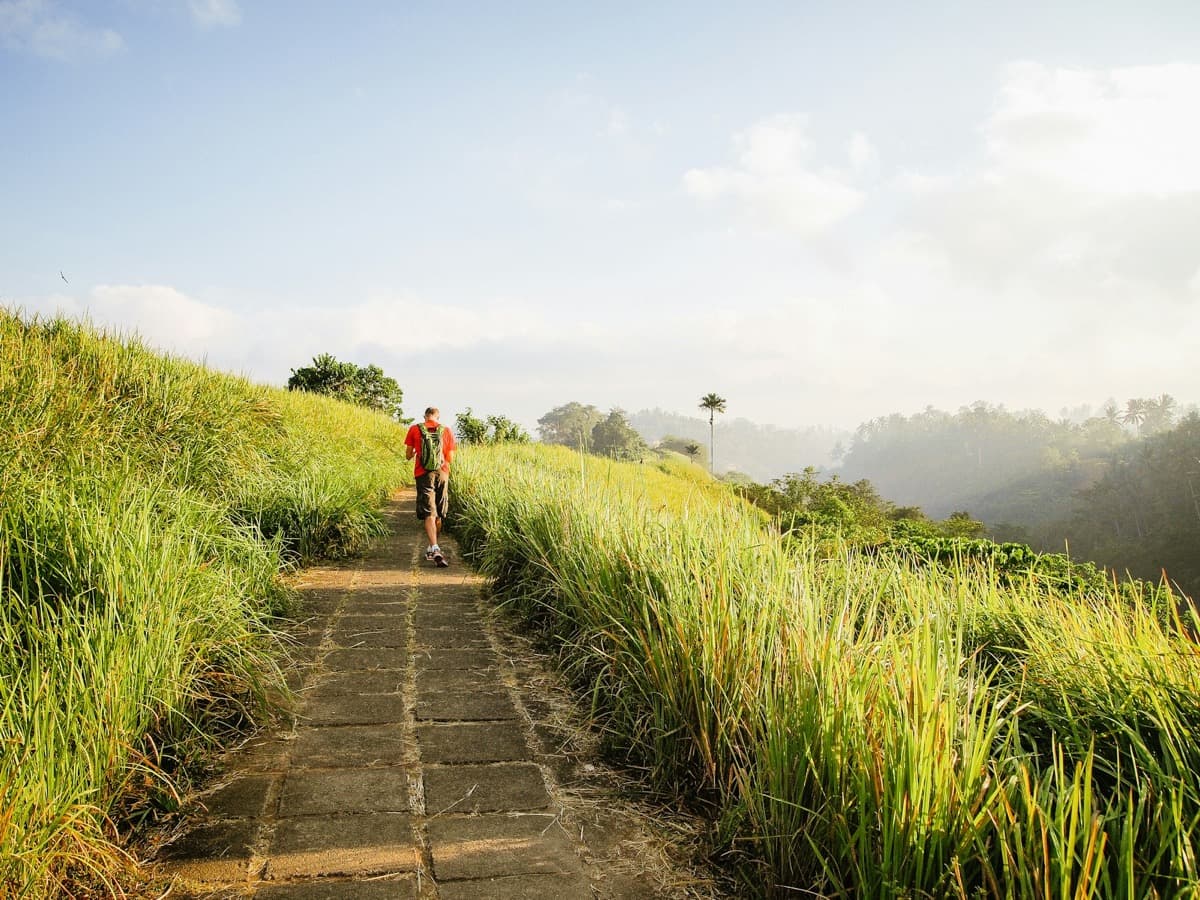
The Campuhan Ridge Walk is Ubud's classic free walk. A paved path runs along a grassy ridge between the Wos and Cerik river valleys, about 2 km one way to Bangkiang Sidem. The trailhead steps down beside Pura Gunung Lebah, the temple where the two rivers meet; 'Campuhan' means the meeting of two rivers. The temple gate is usually locked except for ceremonies, so view it from the path.
Allow 1.5 to 2 hours return, with a stop at the cafes and warungs at the Bangkiang Sidem end, where the rice fields open up. The catch is heat: there is no shade, so walk at 6–7:30 AM or after 4:30 PM. Scooters share part of the path, so keep left. Expect sidewalk works on the road from the palace through 2026.
At a glance
Campuhan Ridge Walk
06Tegallalang Rice Terrace
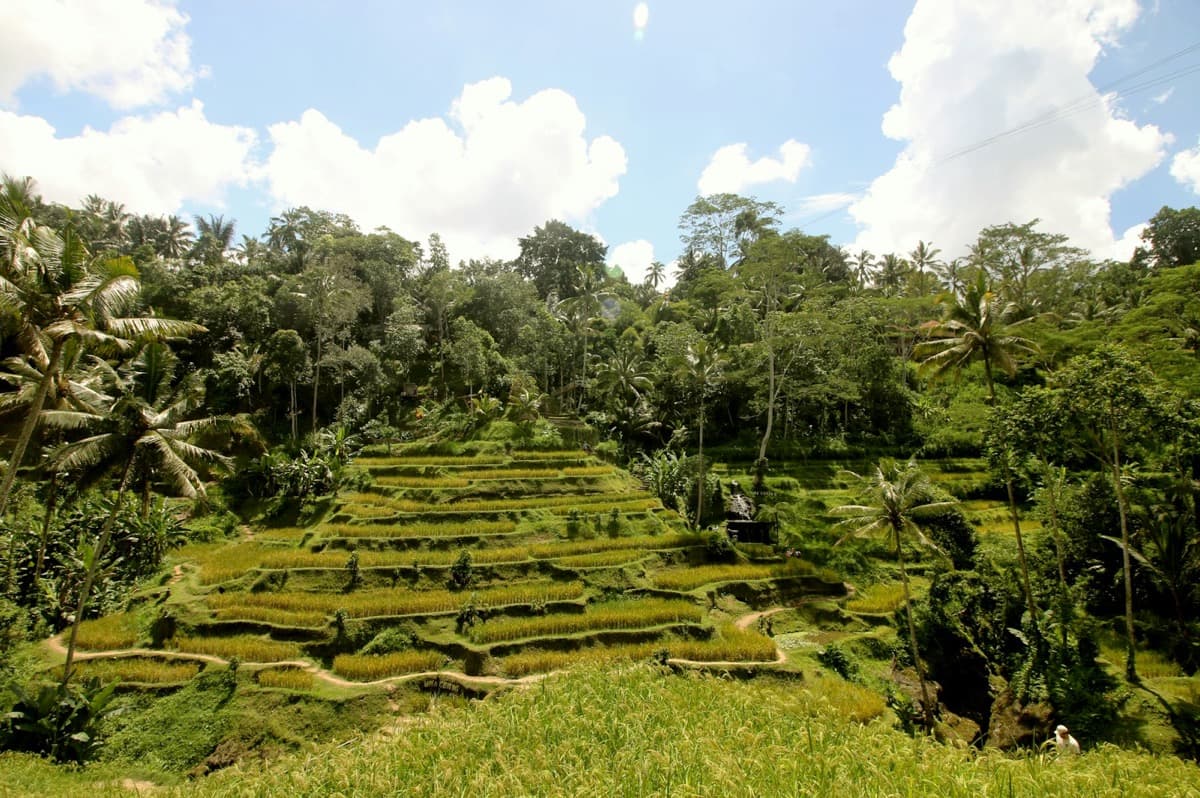
Tegallalang Rice Terrace is Ubud's most famous rice-field view, along the Ubud–Kintamani road at Ceking village. The terraces are watered by subak, Bali's cooperative irrigation system, which UNESCO lists as part of Bali's cultural landscape (Tegallalang itself is not in the listing). Walk down into the valley and back up, or watch from a cafe on the rim.
Expect a commercial site. The main entrance charges about IDR 50,000, other entrances charge again, and farmers ask small donations at path crossings. Swings, zip lines and nest photo spots are paid extras. Allow 1 to 2 hours; the paths are steep and slippery after rain. Arrive at 7 AM, before the crowds and the heat. A landslide at Ceking on 28 January 2026 closed the Kintamani road for a day.
At a glance
Tegallalang Rice Terrace
07Tirta Empul
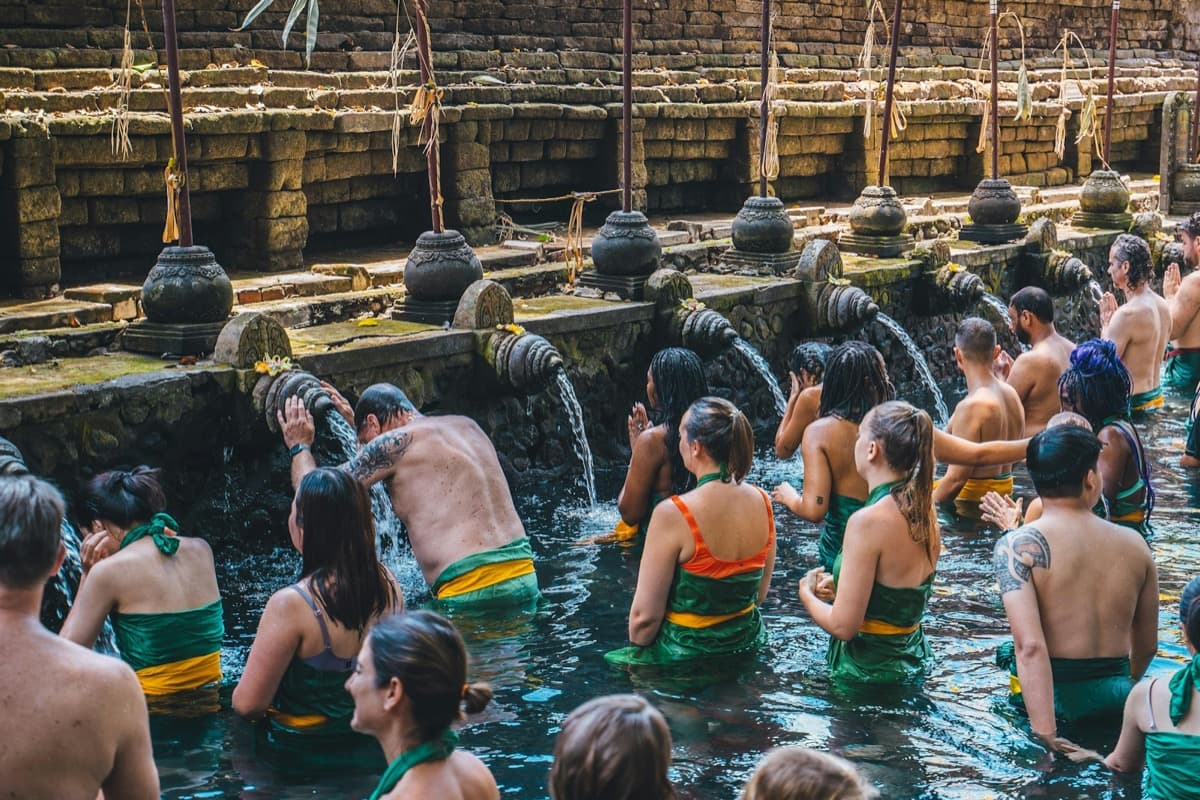
Tirta Empul is Bali's best-known holy spring temple, in Manukaya, Tampaksiring. The spring is traditionally dated to 962 AD, and the temple is dedicated to Vishnu. Balinese pilgrims bathe under rows of carved spouts in melukat, the purification ritual, and visitors can join. The Tampaksiring presidential palace, begun under Sukarno in 1957, overlooks the temple.
Entry is IDR 75,000 for adults, with a sarong included. To bathe, rent the separate bathing sarong, start from the left and skip the spouts kept for funeral rites. Allow 1 hour, or 1.5 to 2 hours if you bathe. The catch: it is the most-visited site in Gianyar, the pool queue is longest on full moon, new moon and Galungan, and the exit runs through a long souvenir market.
At a glance
Tirta Empul
08Gunung Kawi Tampaksiring
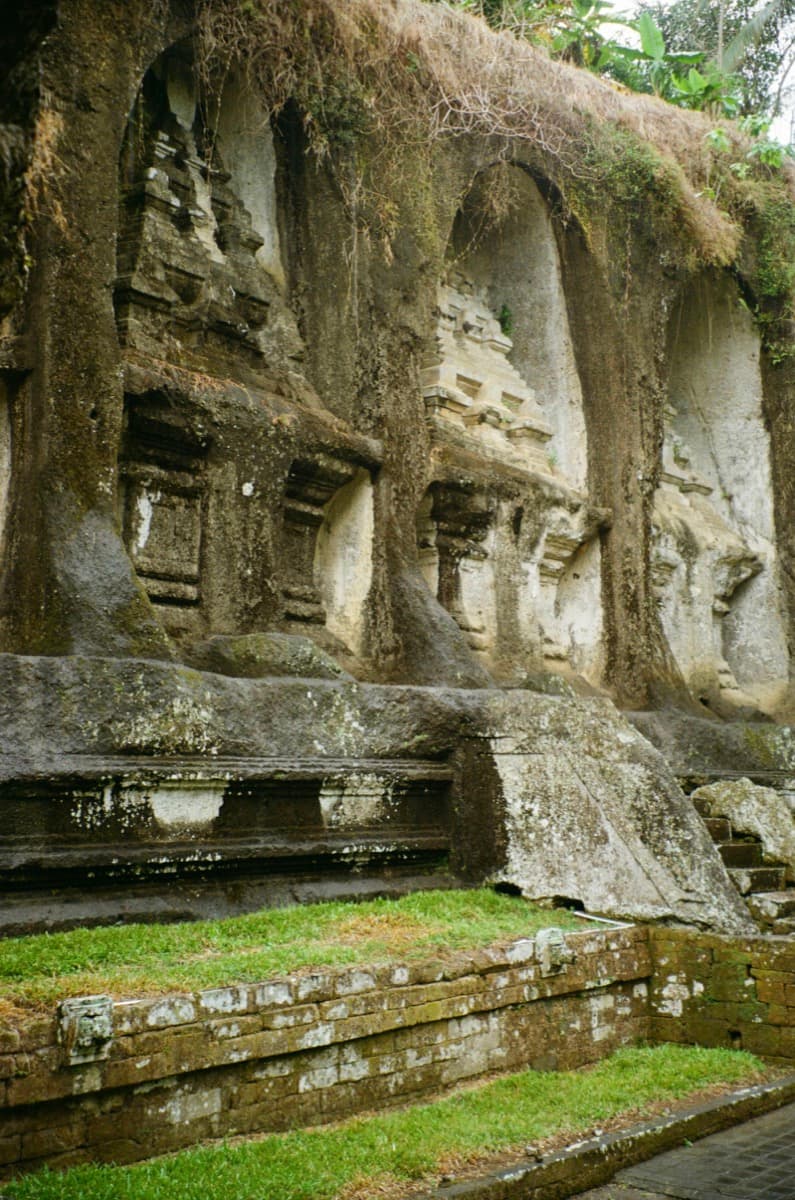
Gunung Kawi Tampaksiring is a set of ten candi, shrine facades about 7 m tall, carved into cliff niches on both banks of the Pakerisan River in the 11th century. They are thought to honour King Anak Wungsu and his queens. You reach them down a stairway of about 300 steps through rice terraces, and the valley floor feels far calmer than Tirta Empul nearby.
Entry is IDR 75,000 for adults, and a sarong is lent free at the gate. Allow 1 to 1.5 hours. The catch is the climb back up: the steps are steep, hot by midday and hard going for small children or older visitors. Souvenir stalls line the stairs. Do not climb on the candi.
At a glance
Gunung Kawi Tampaksiring
09Pura Gunung Kawi Sebatu
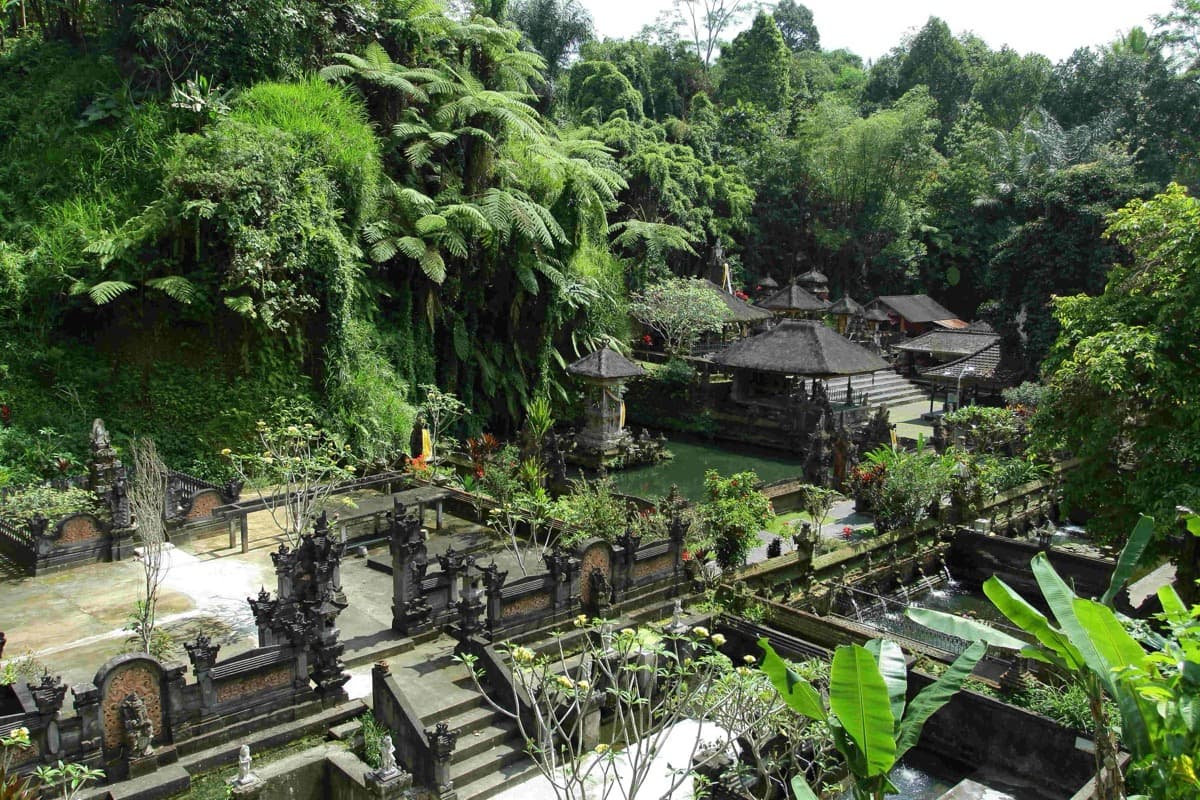
Pura Gunung Kawi Sebatu is a water temple in Sebatu village, north-east of Tegallalang. Spring-fed pools, carp ponds and carved gates sit in a green, quiet setting, with separate bathing areas for the purification ritual. It works as a calmer version of Tirta Empul, with far fewer people.
Entry is IDR 50,000 with a sarong included. If you want to do melukat, rent the bathing sarong separately; a self-guided ritual costs about IDR 50,000 for the sarong, a locker and an offering. Allow 45 minutes to an hour, or about 1.5 hours with the ritual. No soap or shampoo in the pools, and no drones. There are steps on the way in, so go early before the heat. Cash only.
At a glance
Pura Gunung Kawi Sebatu
10Goa Gajah (Elephant Cave)
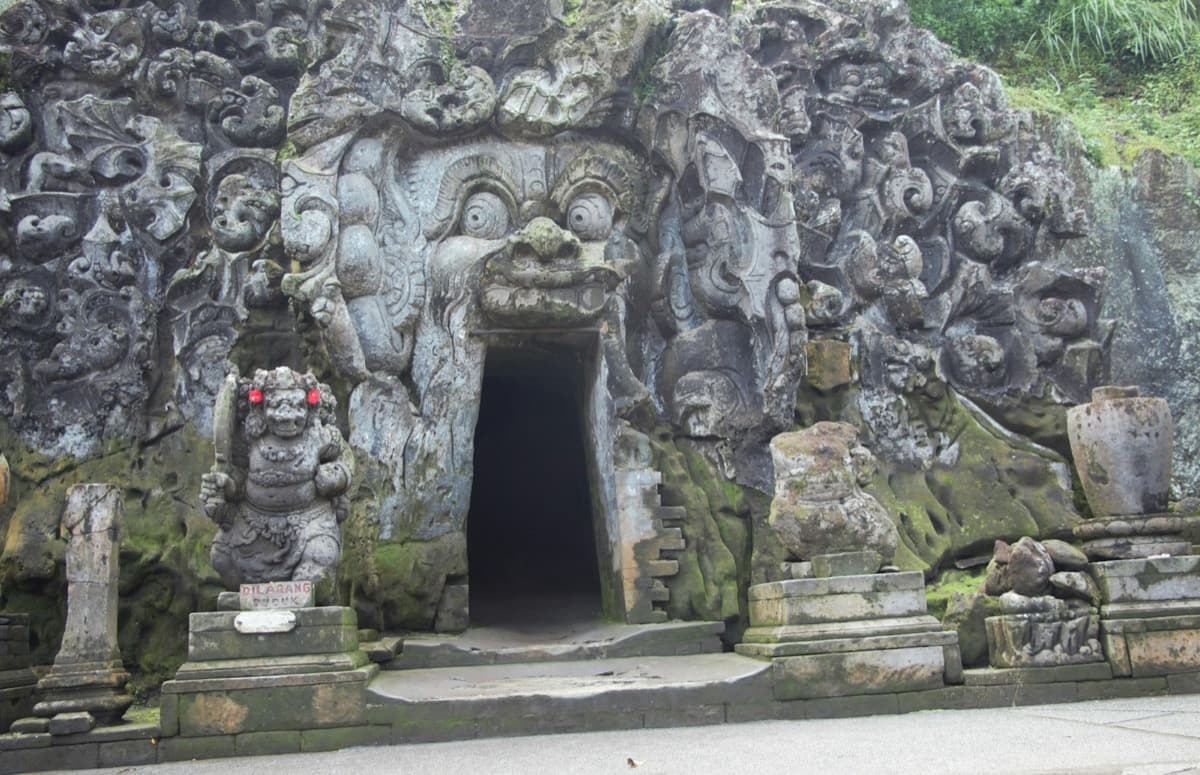
Goa Gajah (Elephant Cave) is a rock-cut sanctuary from about the 11th century in Bedulu, 5 km south-east of Ubud Palace. The cave mouth is carved as a monstrous face. Inside the short, dark passage are a Ganesha figure and lingga-yoni shrines. Below lie bathing pools with spouts held by female figures, excavated in 1954, and a path drops into the river ravine.
Entry is IDR 50,000 for adults and IDR 25,000 for children, with a sarong included. Allow 45 minutes, or up to 1.5 hours with the ravine path. The site is small and has little signage, so read up before you go. The ravine stairs have no handrails and get slippery after rain. Mornings are the quietest time.
At a glance
Goa Gajah (Elephant Cave)
11Yeh Pulu
Yeh Pulu is a 25 m relief carved into a rock wall in Bedulu, generally dated to the 14th century. It shows scenes of daily life and hunting, and local legend links it to the giant Kebo Iwa. A holy spring and a small bathing place sit beside the relief. You reach it on a short walk through rice fields from the parking area.
Entry is IDR 30,000, with a sarong lent at the gate. Allow 30 to 45 minutes. It is a minor sight, small and quiet, so it works best as an add-on to Goa Gajah, about 1 km away, rather than a trip of its own. The upside is that you will rarely share the carvings with more than a handful of people.
At a glance
Yeh Pulu
12Tegenungan Waterfall
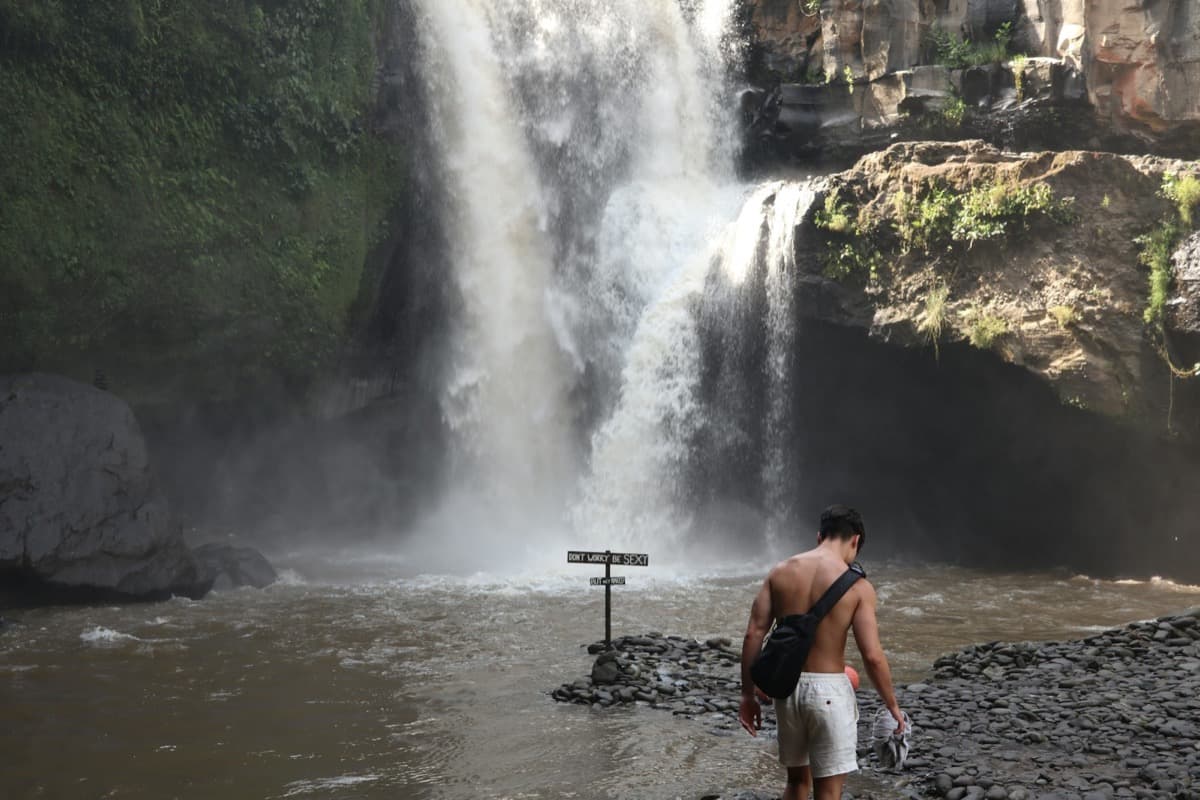
Tegenungan Waterfall on the Petanu River in Kemenuh is the big waterfall closest to Ubud, about 11 km south of the palace. The village of Kemenuh runs the site, and it is well developed: cafes on the rim, swings and photo nests, changing rooms, and a staircase of about 200 steps down to the plunge pool.
Entry is IDR 30,000 for adults, with parking extra. Allow 1 to 2 hours. You can swim at the base only when staff allow it; the pool closes when the river runs high after rain, and the water turns murky. The catch is crowds and noise, with a day club and man-made pools at the base, and a steep climb back up. Come at the 6:30 AM opening for the quietest hour.
At a glance
Tegenungan Waterfall
13Tibumana Waterfall
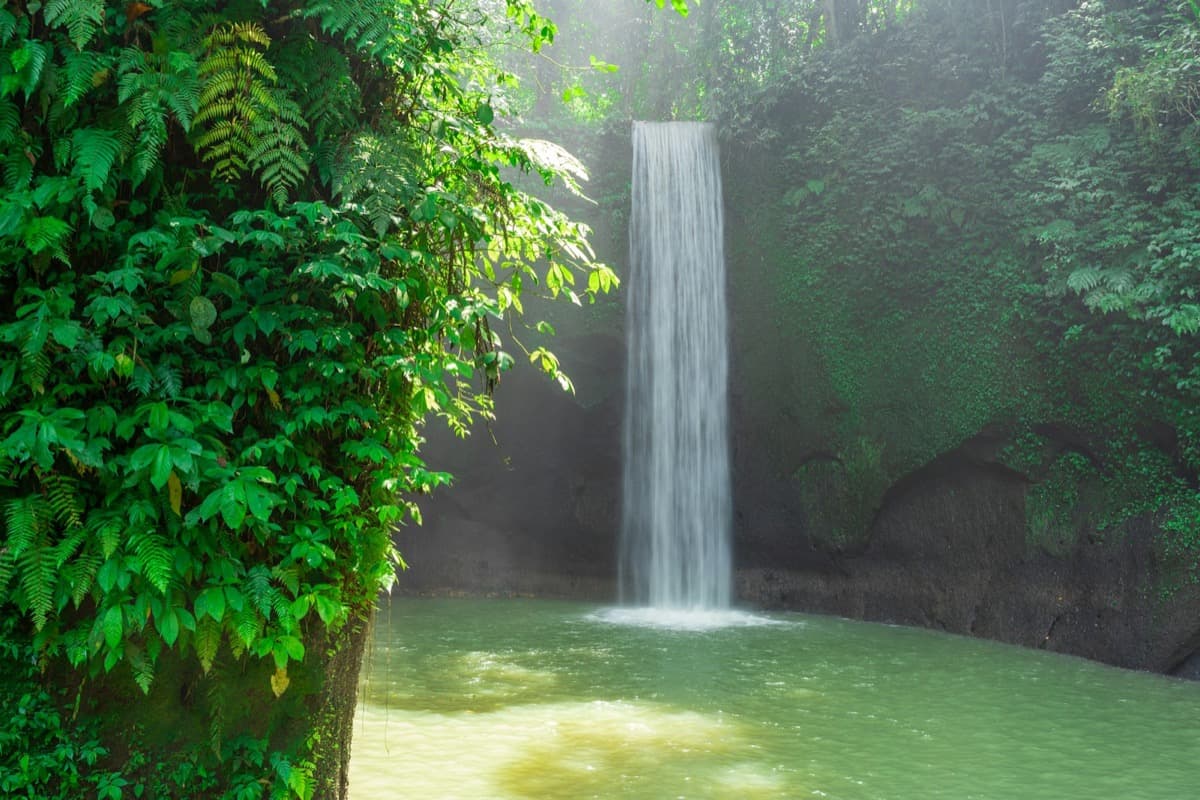
Tibumana is a single curtain of water dropping into a round pool at the end of a paved path through bamboo and farmland. The village of Apuan manages it, and the walk down takes about 12 minutes on steps and small bamboo bridges. You can swim when conditions allow. The pool is usually waist deep, but do not stand directly under the fall.
Plan 1 to 1.5 hours on site. It sits about 3 km from Kanto Lampo, so many people pair the two in one morning. Come early, because by early afternoon there is a photo queue at the pool edge. After heavy rain the water turns brown and the steps get slippery, and the climb back up is steep. Bring small notes for the ticket.
At a glance
Tibumana Waterfall
14Tukad Cepung Waterfall
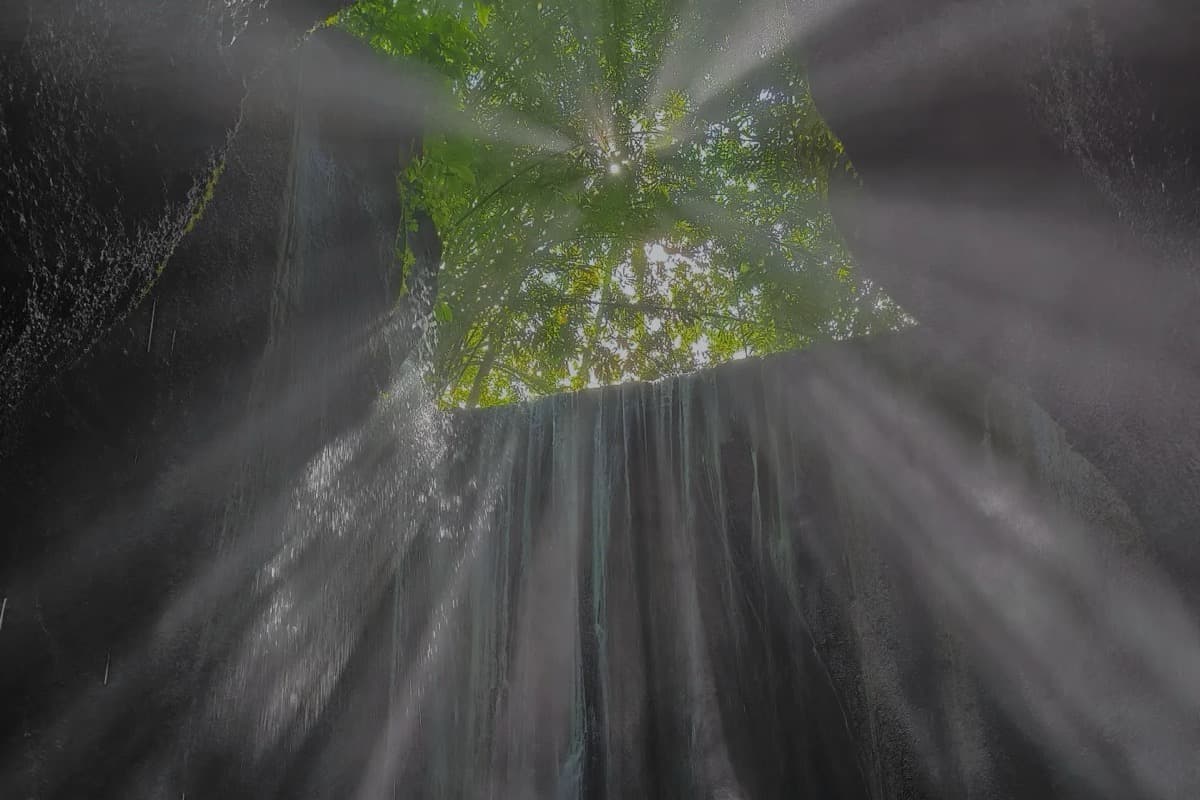
Tukad Cepung is a waterfall inside a rock chamber, lit through a gap in the cliff above. On sunny mornings, roughly 9 to 11 AM, beams of light cut through the spray, and that is the shot everyone comes for. Getting there takes about 20 minutes each way on steep stone steps with railings, then a short walk along the river bed through a narrow canyon, wading over rocks.
Allow 1.5 to 2 hours on site, plus 45 to 60 minutes each way from Ubud. This is a place to stand and wade, not swim. Water shoes help, and you can rent a pair for about IDR 15,000. Late morning brings the biggest crowds. Avoid it during or after heavy rain in the rainy season, from November to March. A landslide closed the path in 2023 before it reopened.
At a glance
Tukad Cepung Waterfall
15Kanto Lampo Waterfall
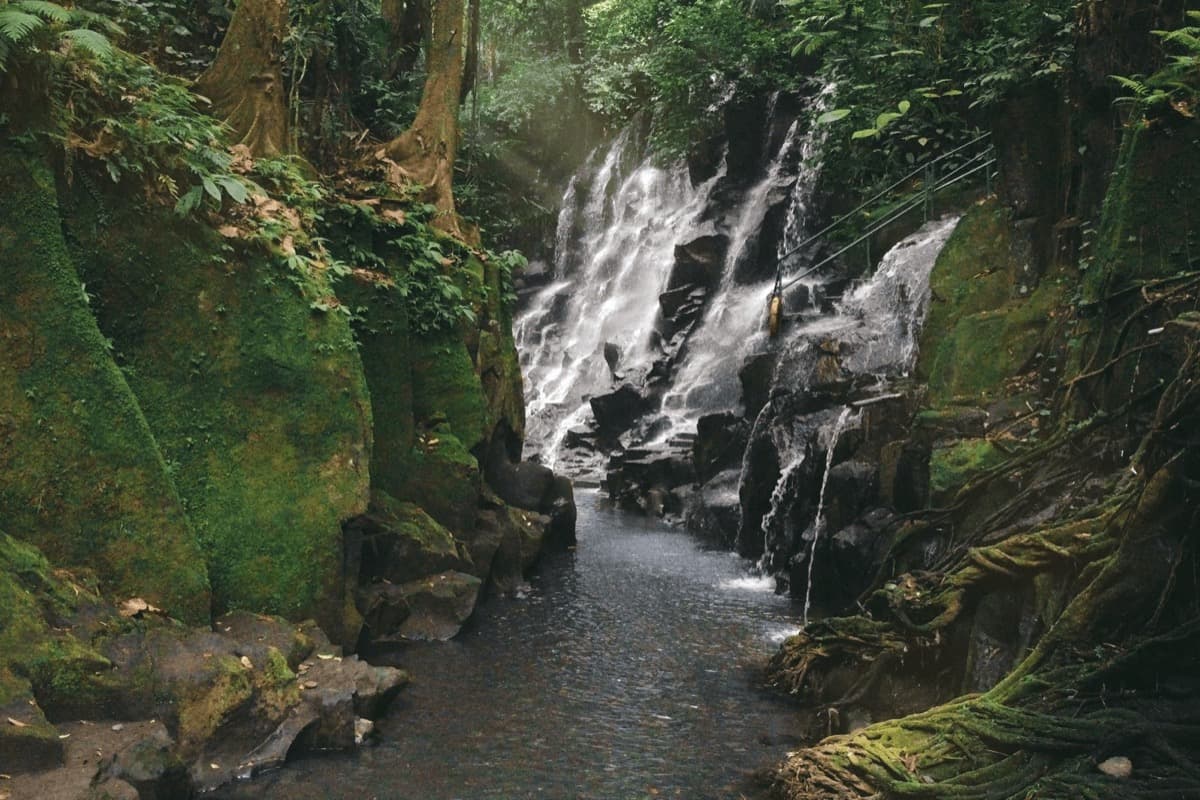
Kanto Lampo is a waterfall about 15 m high that spills over stepped, mossy rock in Beng village, Gianyar. The village runs it, and a 5 to 7 minute walk down concrete stairs brings you to the base. The water is only ankle to knee deep, so this is a place to wade and take photos rather than swim.
Know why you are going. Between about 10 AM and 1 PM the queue for the photo spot on the rocks can run 1 to 2 hours, and posing under the falls costs extra on top of the ticket. Arrive at the 6:30 AM opening and you can see it properly in 45 minutes to an hour. Tibumana is about 3 km away if you want a real swim afterwards.
At a glance
Kanto Lampo Waterfall
16Suwat Waterfall
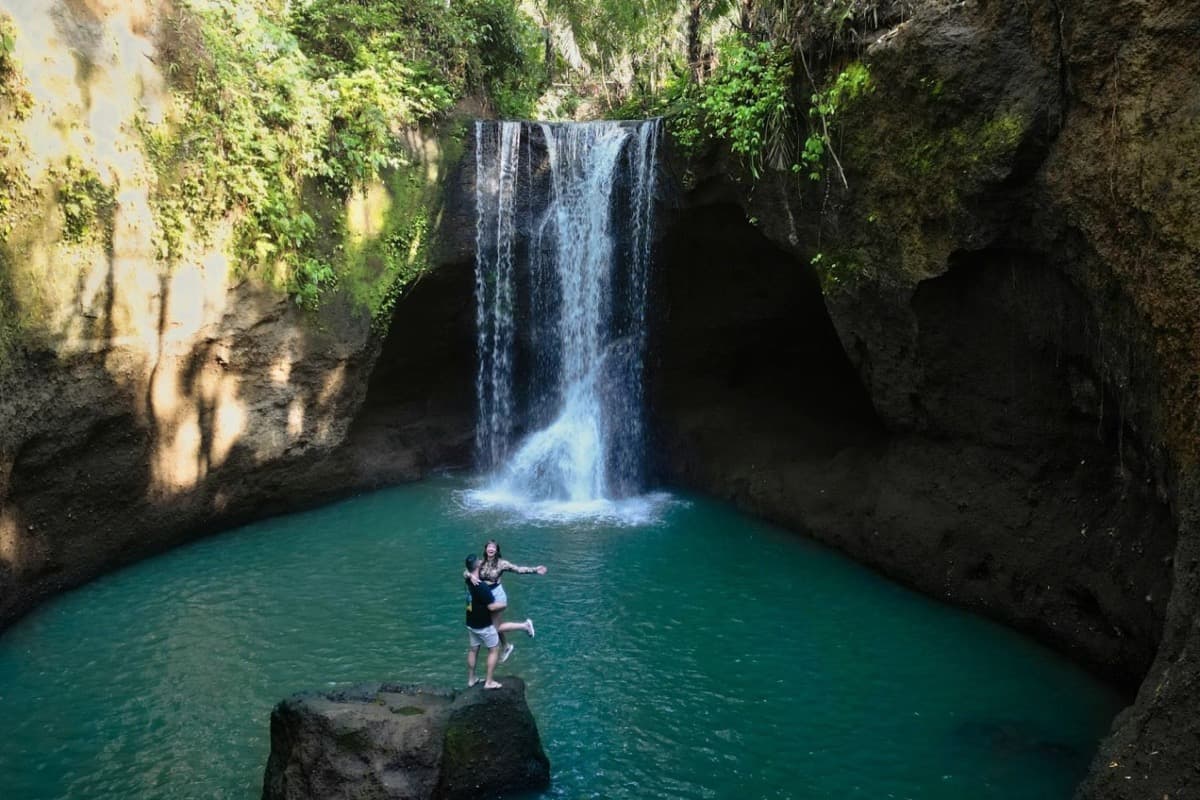
Suwat Waterfall is run by the customary village of Suwat and sits just east of its Pura Dalem temple. The falls are about 15 m high and drop into a canyon pool reached through a bamboo forest, with a 5 to 15 minute walk each way on paved paths and some stairs. Unlike most falls near Ubud, you can properly swim here, and there is a small cave behind the curtain of water.
Toilets and changing rooms are on site, and a bamboo raft costs about IDR 25,000 extra. Allow 1 to 2 hours with a swim. It is a quieter alternative to Tegenungan, best on weekdays or early. The fee has gone up from about IDR 15,000 in 2024 to IDR 40,000 now, and there is no ATM nearby, so bring cash. Dress modestly when you pass the temple.
At a glance
Suwat Waterfall
17ARMA (Agung Rai Museum of Art)
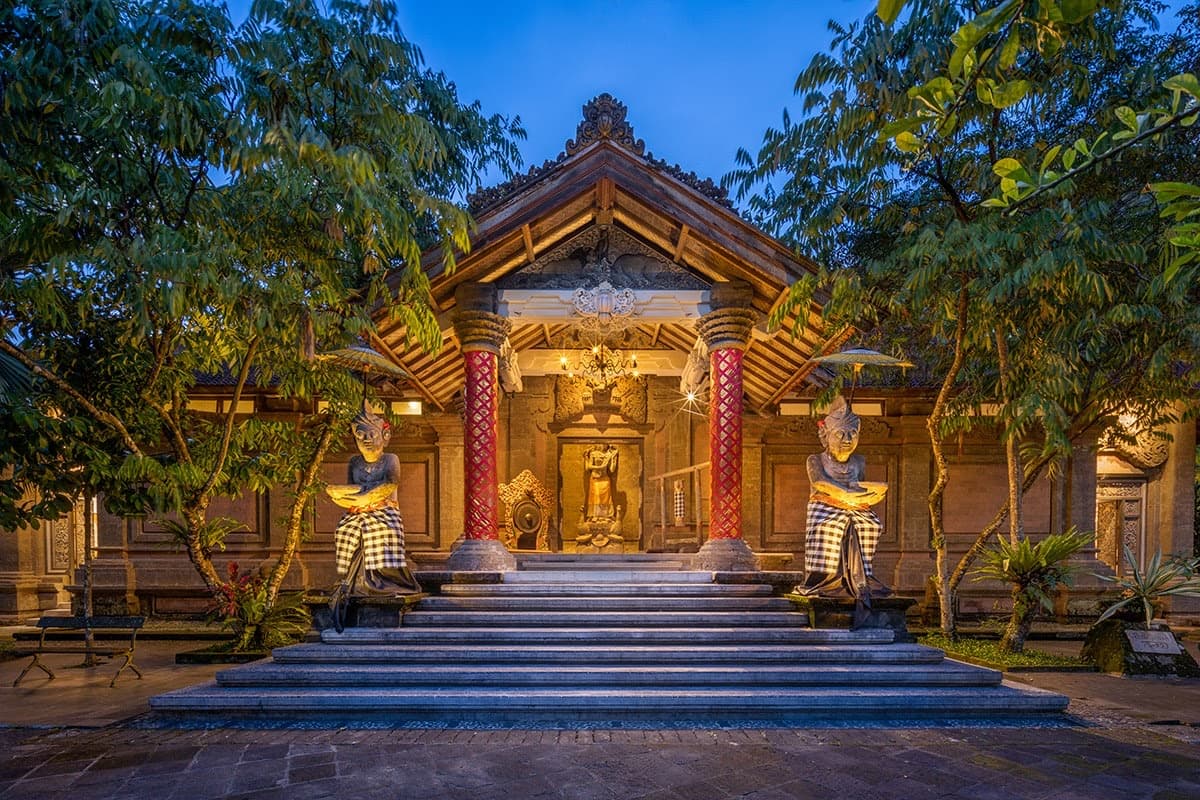
ARMA, the Agung Rai Museum of Art, was founded by Anak Agung Gde Rai and opened in 1996. Its pavilions and large gardens on Jl. Raya Pengosekan hold a wide collection: classical Kamasan paintings on bark cloth, Batuan works from the 1930s and 1940s, Lempad, Walter Spies and Rudolf Bonnet, plus works by the 19th-century Javanese painters Raden Saleh and Syarif Bustaman, rarely seen anywhere else on Bali.
The IDR 150,000 ticket includes coffee or tea. ARMA is also a cultural centre with an open stage, children's dance practice and workshops, which cost extra, as do evening performances. Allow 1 to 2 hours, longer with a workshop. It is usually quiet. Since 8 Sep 2026 Jl. Raya Pengosekan runs one-way north towards the Monkey Forest junction, so plan your car route or walk the 25 minutes from the palace.
At a glance
ARMA (Agung Rai Museum of Art)
18Neka Art Museum
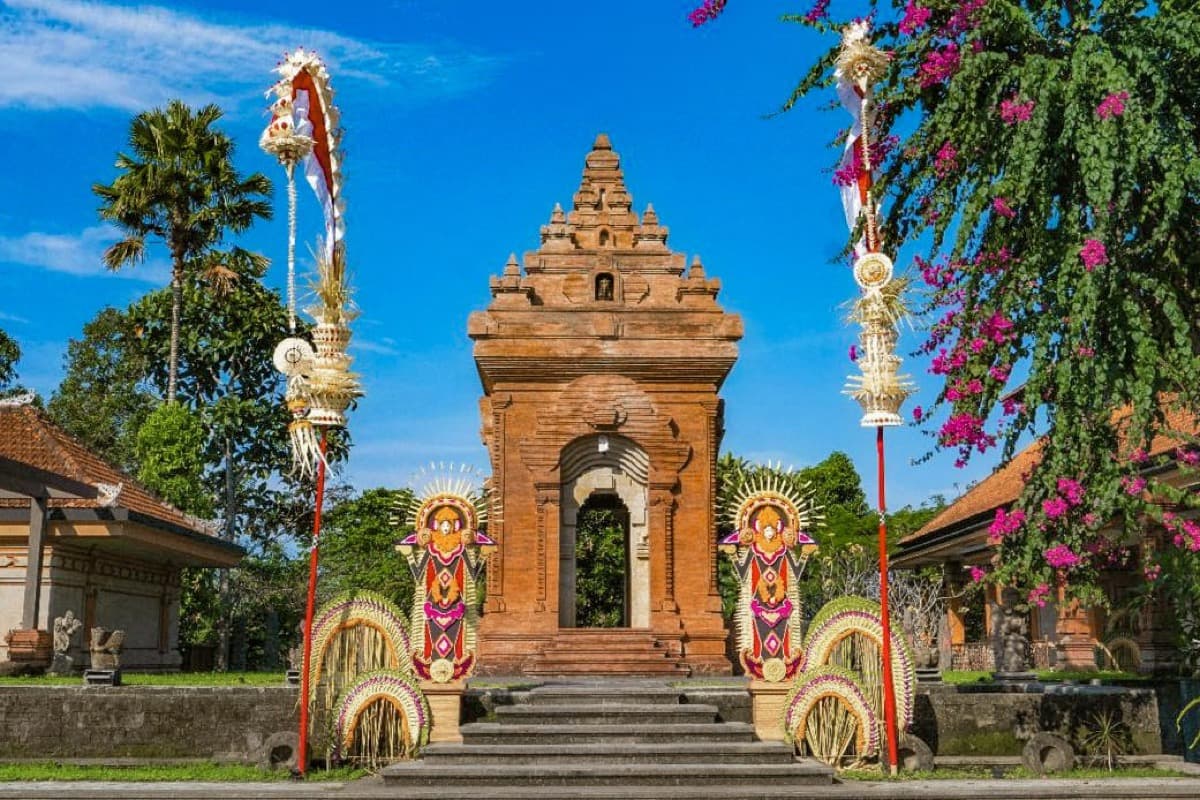
Neka Art Museum on Jl. Raya Sanggingan was founded by Pande Wayan Suteja Neka and Ni Gusti Made Srimin, opened to the public in 1976 and became a museum in 1982. Its pavilions trace Balinese painting from the Wayang, Ubud and Batuan styles to modern Indonesian art. Highlights include the Arie Smit and Lempad pavilions, an Affandi pavilion, Robert Koke's 1930s photographs of Bali and a keris (dagger) pavilion opened in 2007.
Give it 1.5 to 2 hours. The pavilions form a bit of a maze and some galleries are dimly lit, but captions are informative and it is rarely busy. It is about 10 minutes by car north-west of the palace. Tickets are sold in person only. Children 6 to 12 and students pay IDR 75,000, and under-6s go free. Closed on Nyepi.
At a glance
Neka Art Museum
19Museum Puri Lukisan
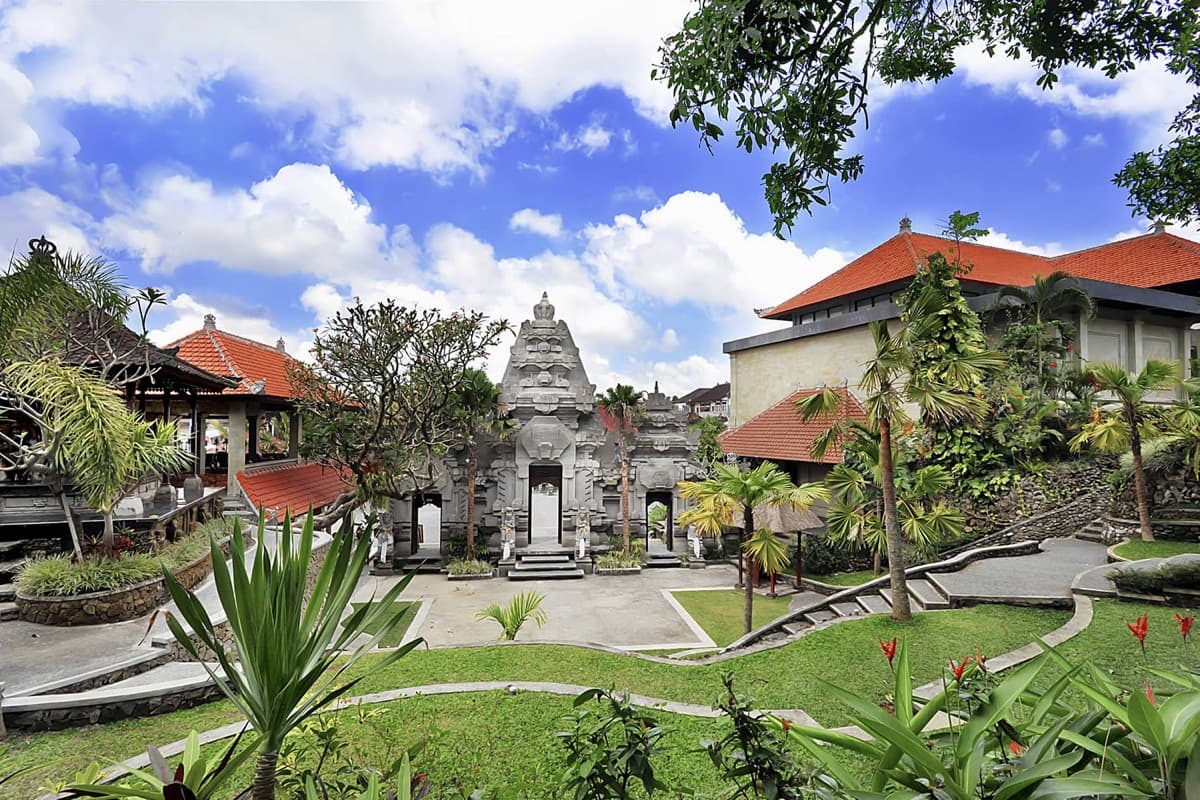
Museum Puri Lukisan opened in 1956 as Bali's first art museum. It grew out of the Pita Maha artists' cooperative, founded in 1936 by Tjokorda Gde Agung Sukawati with Walter Spies and Rudolf Bonnet. The collection follows Balinese painting and woodcarving from the 1930s onwards, in the Batuan, Ubud, Young Artist and Keliki styles, with works by I Gusti Nyoman Lempad.
It sits in green, shaded gardens on Jl. Raya Ubud, a five-minute walk from the palace, so it slots easily into a central Ubud morning. Allow 1 to 1.5 hours. The galleries have no air conditioning, so go early on hot days. The ticket desk is easy to miss, beyond the car park. Batik and gamelan workshops cost extra. Flash photography and tripods are not allowed.
At a glance
Museum Puri Lukisan
20Blanco Renaissance Museum
The Blanco Renaissance Museum is the former home and studio of Antonio Blanco (1911–1999), the Catalan-Filipino painter known as the "Dali of Bali". The flamboyant building stands above the Campuhan bridge, next to the start of the Campuhan Ridge Walk. Inside are his romantic and erotic portraits, many of his Balinese wife Ni Ronji. In the gardens, staff let you hold parrots and cockatoos for photos at no charge.
Opinions split on this one. The collection is small and narrow in focus, and much of it is nude or erotic, so it is not for young children. At about IDR 100,000 with a drink, it suits art fans and anyone curious about Ubud's expat painters. One hour is enough. Pair it with the ridge walk next door.
At a glance
Blanco Renaissance Museum
21Setia Darma House of Masks and Puppets
Setia Darma House of Masks and Puppets holds more than 1,300 masks and 5,700 puppets from Bali, Java and around the world, on show since 2006 in traditional houses spread over more than a hectare of gardens. There is also a 500-seat amphitheatre. Labels are clear, the grounds are shady and very clean, and some rooms have air conditioning.
Entry is free, with a donation box, so leave something if you enjoy it. Allow 1 to 1.5 hours. It is in Tengkulak, Kemenuh, south of Ubud, so you need a car or scooter, and it pairs well with Tegenungan Waterfall in the same village or the Bali Bird Park further south. It is rarely busy, which makes it a good rainy-day stop.
At a glance
Setia Darma House of Masks and Puppets
22Penestanan village walk
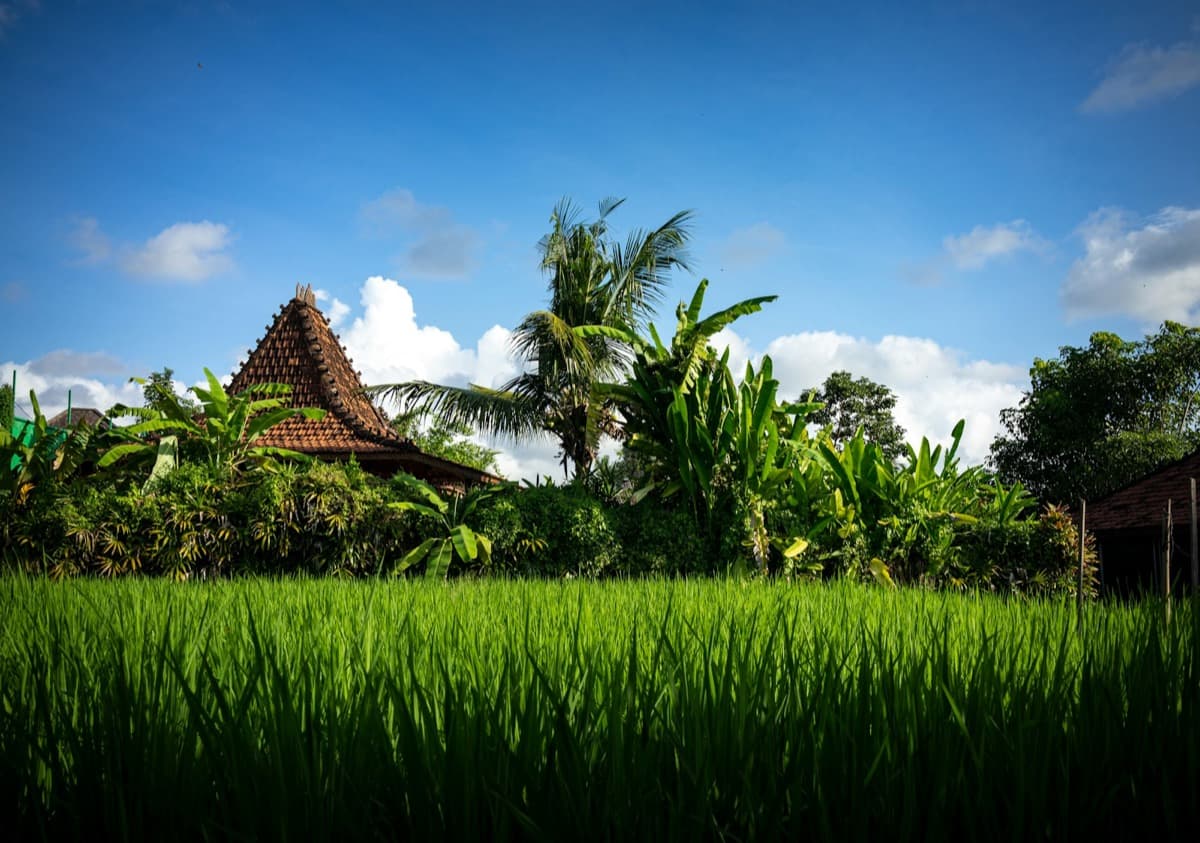
Penestanan is a village of rice fields and narrow lanes just west of central Ubud, reached by a long staircase off Jl. Raya Campuhan, past the Campuhan bridge. In the 1960s the Dutch-born painter Arie Smit encouraged young villagers here to paint, and the bright Young Artists style was born. Today you walk concrete paths between paddies, villas, small cafes and juice stops.
It is free and open at any hour. Allow 1 to 2 hours, and come early morning or after 4 PM, because the paths get hot by late morning. The lanes are shared with scooters, so walk single file and give way to farmers. It links easily with the Campuhan Ridge Walk for a longer half-day on foot.
At a glance
Penestanan village walk
23Bali Bird Park
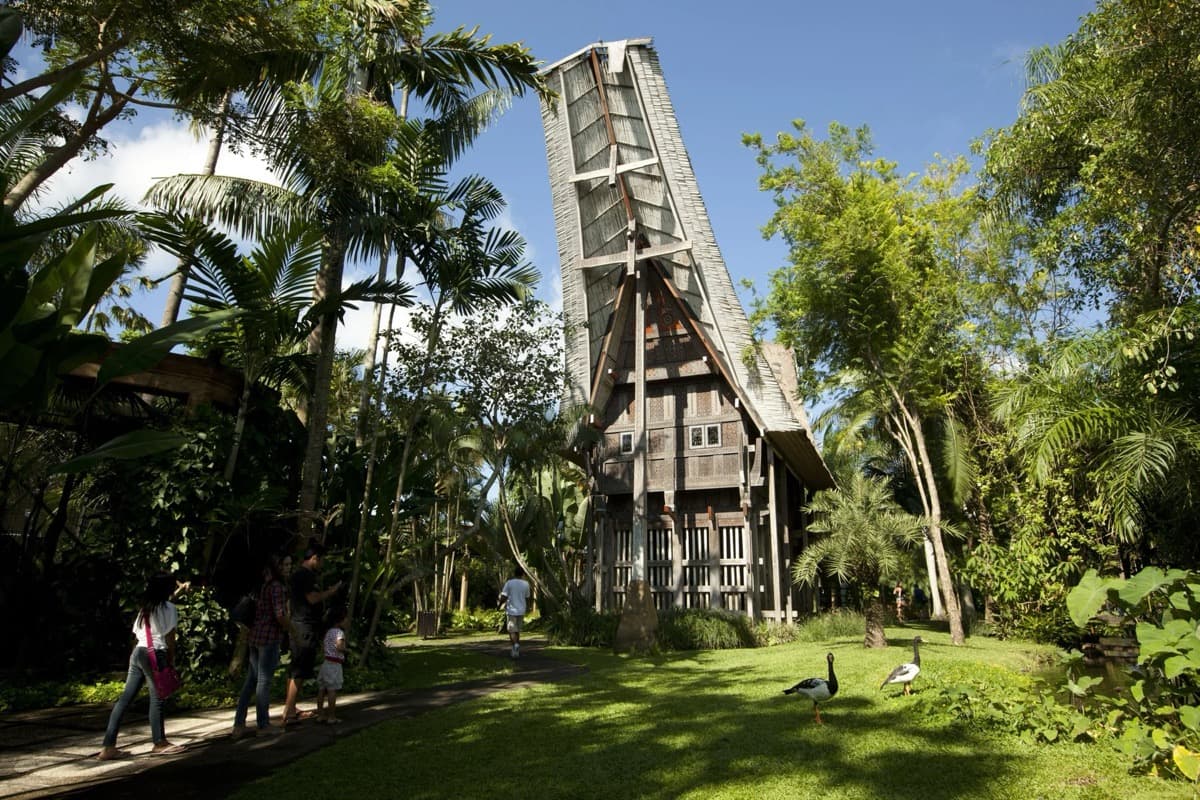
Bali Bird Park in Singapadu keeps more than 1,300 birds of about 250 species in two large walk-in aviaries and 55 enclosures, with breeding programmes for rare birds such as the Bali starling. There is also a Komodo dragon zone, a 4D cinema and what the park calls Bali's largest palm collection. One ticket covers everything, including the shows and feeding sessions.
Shows run from 9:30 AM to 4:30 PM, with free-flight displays, pelican and parakeet sessions and parrot feeding at 2 PM, so plan 2.5 to 4 hours. It is about 30 minutes south of Ubud and a strong family or rainy-day pick (see more things to do in Bali with kids). The catch is price: about IDR 308,000 per adult on the official site, so compare online deals first and book the right ticket type.
At a glance
Bali Bird Park
24Mount Batur sunrise trek
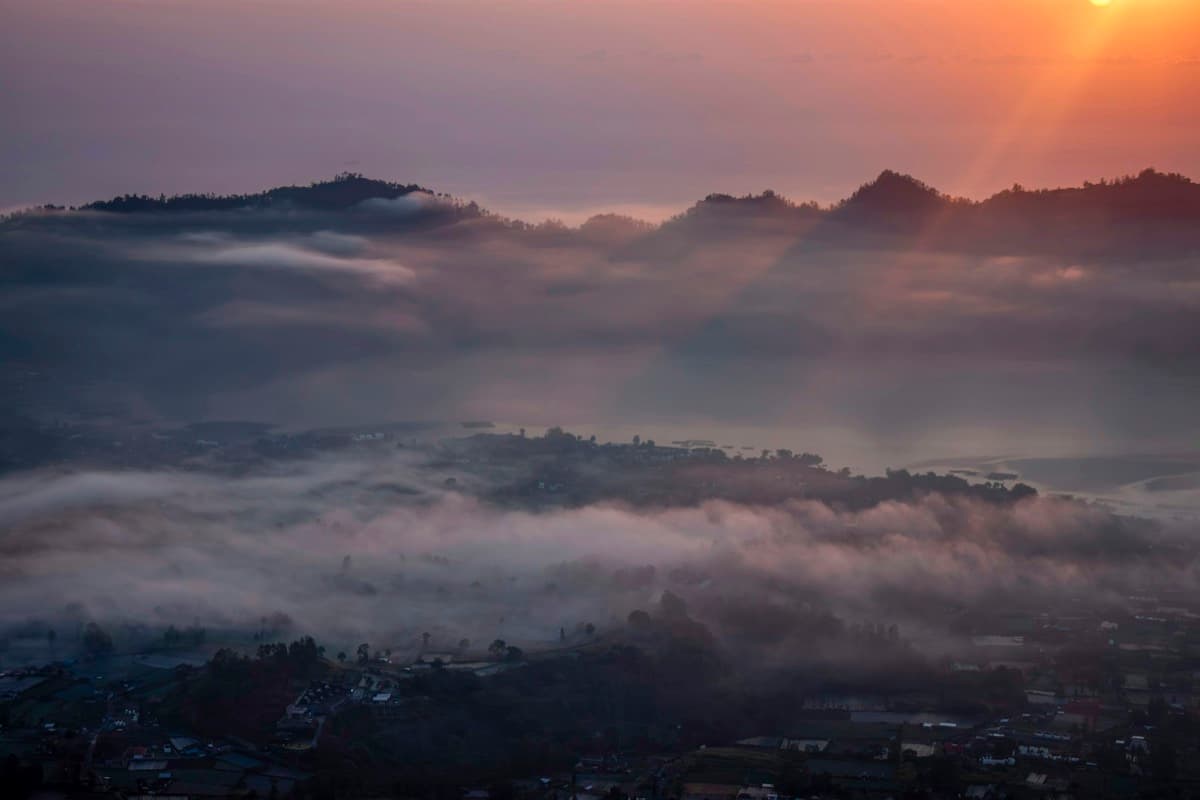
Mount Batur is the active cone inside the Batur caldera, 1,717 m high, and the classic sunrise climb from Ubud. Pickup is around 2 AM. You start walking from the Toya Bungkah trailhead at about 4 AM with a village guide from PPPGB, the Batur trekking guides' association, climb about 650 m in 1.5 to 2 hours, and reach the summit around 6 AM to watch the sun come up over the caldera.
Most Batur sunrise trek packages include the guide, a headlamp, the IDR 100,000 park entry and a simple summit breakfast. You are usually back in Ubud by 10 or 11 AM. Bring warm layers, because the summit sits around 8 to 18°C before dawn, plus grippy shoes. Skies are clearest from June to September; see the best time to visit Bali. Do not smoke: forest fires on the slopes in 2025 and 2026 were blamed on cigarette butts.
At a glance
Mount Batur sunrise trek
Frequently Asked Questions
Where should I go in Ubud?
On a first visit, cover the centre on foot: Sacred Monkey Forest Sanctuary, Ubud Palace, the Ubud Water Palace and Ubud Art Market. Then add one trip north to Tegallalang Rice Terrace and Tirta Empul, and one to a waterfall such as Tegenungan or Tibumana.
What are the top tourist attractions in Ubud?
The busiest sights in the Ubud area in 2026 are Tirta Empul, the Sacred Monkey Forest Sanctuary and Tegenungan Waterfall. Tegallalang Rice Terrace and the evening dance at Ubud Palace are the other classics. For history, add Goa Gajah and Gunung Kawi Tampaksiring; for art, ARMA and Neka Art Museum.
What is there to see in central Ubud?
Within about 1.5 km of Ubud Palace you have the palace courtyards (free by day), the Water Palace lotus ponds (about IDR 60,000), Ubud Art Market, Museum Puri Lukisan, the Sacred Monkey Forest Sanctuary and the start of the Campuhan Ridge Walk. ARMA is about 2 km south on Jl. Raya Pengosekan.
What are the best free things to do in Ubud?
The Campuhan Ridge Walk, the Penestanan village walk, the Ubud Palace courtyards by day and Ubud Art Market cost nothing. Setia Darma House of Masks and Puppets is free with a donation box, and the Subak Juwuk Manis rice-field loop up Jl. Kajeng is a free 1-hour walk from the centre.
How many days do you need in Ubud?
Three days covers the main places to visit in Ubud: one day in the centre, one on the north temple loop (Tegallalang, Tirta Empul, Gunung Kawi), and one for Goa Gajah and the waterfalls. Add a fourth day for the Mount Batur sunrise trek, which starts with a pickup at about 2 AM. A half day of Ayung River rafting also fits into most Ubud stays.
How much is the Ubud Monkey Forest entrance fee?
Since 1 April 2026, the Sacred Monkey Forest Sanctuary costs IDR 130,000 for foreign adults and IDR 100,000 for children aged 3–12. It is open daily 9 AM – 6 PM, with last entry at 5 PM.
What are the best waterfalls near Ubud?
Tegenungan is the closest big waterfall (about 11 km, IDR 30,000). Tibumana is an easy swim (about IDR 25,000), Tukad Cepung falls inside a rock chamber lit through a gap in the cliff (IDR 30,000), and Suwat (IDR 40,000) and Kanto Lampo (IDR 25,000) lie east of Ubud towards Gianyar. A waterfall day tour from Ubud saves arranging a driver, and for bigger falls further away, see the waterfalls of north Bali.
What should I wear to temples in Ubud?
Cover your shoulders and knees. Tirta Empul, Gunung Kawi Tampaksiring, Pura Gunung Kawi Sebatu, Goa Gajah, Yeh Pulu and the Water Palace include a sarong with the ticket, so skip the sellers at the gate. To bathe at Tirta Empul or Sebatu, rent the separate bathing sarong. Ubud Palace asks for modest clothes but no sarong. For temples beyond Ubud, see the must-see temples in Bali.