
The Bali rainy season, also called the wet season, runs from about November to March, and January is the wettest month. At Ngurah Rai Airport on the south coast, January averages 351 mm of rain and July just 28 mm, and about three-quarters of the year’s rain falls between November and March. April is a transition month, and the dry season runs from about May to October. For the whole year, see the best time to visit Bali, month by month.
For 2026–27, BMKG, Indonesia’s weather agency, expects the rains to arrive later than usual, a result of El Niño and a positive Indian Ocean Dipole: parts of Bali should turn wet in November 2026 and most of the island in December, with the peak in February 2027. A wet month is not a gray month: in January and February 2022–2024, the airport weather station still logged 4.6 to 7.6 hours of sunshine a day on average. Not all of the wet season is low season, though: Christmas and New Year are peak weeks, and Badung’s hotel association said its members were fully booked from December 24, 2025, into early January.
Bali Rainy Season Month by Month
Average rainfall at Ngurah Rai Airport (1991–2020) and BMKG’s long-term average number of rain days in Denpasar.
- October: 64 mm, 12 rain days. Usually the tail of the dry season, with showers becoming more frequent.
- November: 131 mm, 16 rain days. The rains begin. In 2026, BMKG expects only parts of Bali to turn wet this month.
- December: 327 mm, 22 rain days. The wet season reaches the coast. Christmas to New Year is peak season.
- January: 351 mm, 27 rain days. The wettest month. Galungan falls on January 13, 2027, and Kuningan on January 23.
- February: 290 mm, 22 rain days. BMKG expects the 2026–27 peak this month across most of Bali.
- March: 231 mm, 20 rain days. Still wet. Nyepi on March 8, 2027, closes the island, airport included, for 24 hours.
- April: 107 mm, 9 rain days. Transition month, with far fewer rain days than March.
- May to September: 28–95 mm a month, 4–8 rain days. Dry season. July is the driest month.
Is It Worth Visiting Bali in the Rainy Season?
Yes, if your plans can bend around the weather. From mid-January to March the island is quieter: in 2025, Bali averaged about 484,000 foreign arrivals a month from January to March, against 697,107 in July. The rice is growing, waterfalls carry more water and the east coast has the season’s surf. It is a weaker choice if your trip depends on fixed-date boat crossings to Nusa Penida or the Gili Islands, on clean beaches between Kuta and Canggu (sea debris washes up there from about November to April), or on climbing Mount Agung, which closes in extreme weather.
Best Areas to Stay When It Rains
- Ubud: the easiest all-weather base, with spas, cafés, galleries and temples close together. See our Ubud guide.
- Sanur and Nusa Dua: east-coast beaches, away from the Kuta-to-Canggu stretch that collects sea debris in the wet months, and on the side of the island where wet-season surf works. See Sanur and Nusa Dua.
- Seminyak, Kuta and Canggu: still good for restaurants and nightlife, but choose a hotel away from known flood spots. Parts of Kuta near the airport flooded in February 2026, and a lane in Canggu stood under about a meter of water in September 2025.
- Highlands around Bedugul: Baturiti, the district that includes Bedugul, regularly records some of Bali’s heaviest rain, so plan for wet days.
01When Is the Rainy Season in Bali?
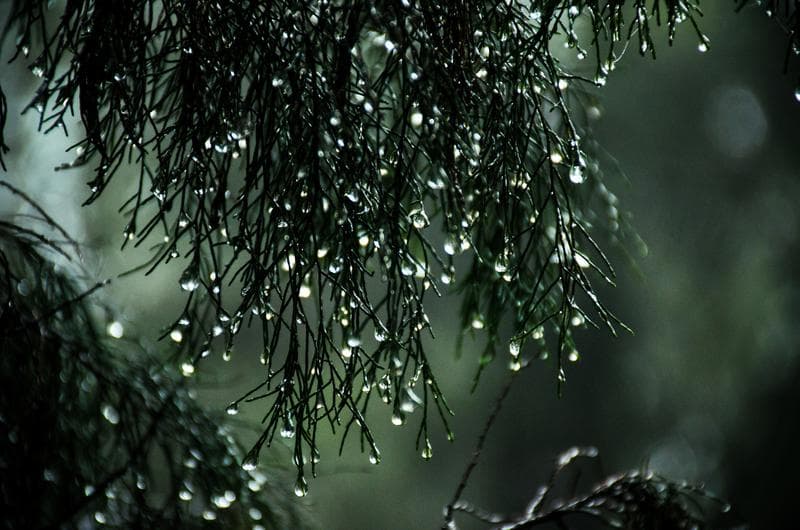
Bali’s wet season comes with the Asian monsoon, whose westerly winds bring moist air from about November to March. The dry season follows when the east monsoon blows dry air up from Australia. On the south coast the core wet months are December to March, each averaging more than 230 mm of rain at Ngurah Rai Airport, while November (131 mm) and April (107 mm) are the shoulders. Totals swing widely from year to year: the airport recorded 849.9 mm in December 2024, but only 209.3 mm in December 2023, an El Niño year.
The rains do not reach every part of the island at once. BMKG divides Bali into 20 seasonal zones. For 2023, it forecast that inland zones such as northern Badung, northern Gianyar and central Bangli would turn wet in mid-November, while Denpasar, southern Badung and Nusa Penida would wait until December. For 2026–27, BMKG expects a late start: part of Bali in November 2026, most of it in December, and the peak in February 2027. The heaviest falls are usually in the highlands. In the last ten days of March 2024, Baturiti near Bedugul logged 229.5 mm, the highest ten-day total on the island.
Expect heat and humidity rather than a week of gray skies. BMKG’s long-term averages for Denpasar put daytime highs at about 33°C from December to March, against 30°C in July and August, with nights around 24°C. In 2022–2024 the Ngurah Rai weather station measured average humidity of 82% to 84% in January and February, and still logged 4.6 to 7.6 hours of sunshine a day in those months, compared with 7.8 to 9.4 hours in August. Keep a backup date for boat crossings, long drives and summit treks.
02Christmas and New Year Are Peak Season

The old advice that the whole wet season is cheap breaks down over the holidays. For the 2025 holidays, the Badung chapter of the Indonesian Hotel and Restaurant Association (PHRI) projected 78% hotel occupancy at Christmas and about 97% at New Year, with the peak running from December 20 to January 5. Two days before Christmas, its deputy chairman said Badung hotels were fully booked from December 24 into the first week of January.
Plan on a similar rush from December 20, 2026, to early January 2027: book rooms, flights and airport transfers early, and read the rate terms. Some resorts add a mandatory New Year’s Eve gala dinner to any stay that includes December 31. Early December is the opposite: PHRI Badung described it as a quiet period, with hotels around 70% full.
Klook and Booking.com links are affiliate links: we may earn a commission if you book, at no extra cost to you.
03Fewer Crowds from Mid-January to March

After the New Year rush, January to March are among Bali’s quietest months for foreign arrivals. BPS, Indonesia’s statistics agency, counted 2,042,666 foreign arrivals in Bali from January to April 2025, 591,221 of them in April. That leaves about 484,000 a month from January to March, compared with 697,107 in July 2025.
A few Indonesian public holidays fall in this window. Chinese New Year is on Saturday, February 6, 2027, with a government-declared day off on Friday, February 5. Eid al-Fitr falls on March 10 and 11, 2027, with government-declared days off on March 9, 12 and 15, just after Nyepi on March 8. In 2025, when Nyepi also fell two days before Eid, the airport operator advised travelers to fly in before or after Eid, so book March transport early.
04Key Dates: Galungan, Kuningan and Nyepi 2027
Galungan falls on Wednesday, January 13, 2027 and Kuningan ten days later, on Saturday, January 23. The holidays follow the 210-day Balinese calendar (the previous pair fell on June 17 and 27, 2026). Expect tall bamboo penjor poles along village streets and families heading to temples. Our Bali events calendar lists what else is on during your dates.
Nyepi, the Balinese Day of Silence, falls on Monday, March 8, 2027. For 24 hours the island shuts down: no flights, no traffic, and no open attractions or shops. Visitors must stay inside their hotel or villa with the lights kept low, while the village pecalang guards keep watch. In 2026, Ngurah Rai Airport closed from 6 AM on Nyepi to 6 AM the next day, canceling 440 scheduled flights, and the Gilimanuk ferry port to Java also closed. On the evening before, Sunday, March 7, 2027, villages parade giant ogoh-ogoh figures. Confirm the 2027 airport schedule with your airline closer to the date. For a comfortable day in, see these Nyepi staycation ideas.
05Where to Stay in the Wet Season

Pick your base for what you will do on wet afternoons, not for the beach alone.
Ubud works best in the rain: spas, cafés, galleries and temples such as Tirta Empul are short rides apart; see the best hotels in Ubud. Sanur and Nusa Dua on the east coast are away from the Kuta-to-Canggu stretch that collects sea debris in the wet months, and they sit on the side of the island where the wet-season surf works. Compare stays in Sanur on Booking.com.
In Seminyak, Kuta and Canggu, choose a hotel or villa away from known flood spots and ask whether the access lane floods. In February 2026, Badung’s disaster agency (BPBD) counted nine flood points in Kuta, several of them near the airport. In September 2025, water reached about a meter in a lane in Canggu. A covered terrace and an indoor dining area make a rainy day at a villa far easier.
06Beaches and Surf: Debris in the West, Waves in the East
From about November to April, sea debris washes up on Badung’s west-facing beaches. In December 2025, the regency’s environment agency (DLHK Badung) was clearing about 40 metric tons a day on beaches from Jimbaran through Kuta and Seminyak to just west of Canggu, with 15 trucks and 300 cleaners. Debris arrives almost daily, so expect to see some on the sand even after the crews have been through.
For surfers, the wet season flips the island. Westerly and northwesterly winds blow onshore along the west coast, so east-coast reefs such as Keramas, Sanur Reef and Nusa Dua become the go-to breaks. Beginners still learn on the beach breaks at Kuta and Canggu on calmer days.
07Boats to Nusa Penida, Lembongan and the Gilis
Fast boats from Sanur and Padangbai keep running through the wet season, but the harbor master (KSOP) can stop crossings when BMKG forecasts high waves. From December 24, 2022, KSOP Padangbai halted fast boats to Gili Trawangan when waves in the Lombok Strait reached 1.5 to 2.5 meters. In February 2026, BMKG warned of waves of 1.25 to 2.5 meters in the Badung and Lombok Straits. BMKG’s risk thresholds start at waves of 1.25 meters for fishing boats, 1.5 meters for barges and 2.5 meters for ferries.
Check the BMKG marine forecast on the Info BMKG app before you go, buy tickets that allow date changes, and do not plan a boat back to Bali on the day of an international flight. More on Nusa Penida, Nusa Lembongan and Gili Trawangan.
08Mount Batur Runs All Year; Mount Agung Is Different

Wet weather does not rule out the Mount Batur sunrise trek, which runs year-round with local guides. BKSDA Bali, which manages the mountain as a nature park, grades the climb 1 to 2 on a five-point scale and puts the ascent at 1.5 to 2 hours to the 1,717 m summit. It also warns that the sandy volcanic trail is slippery, especially on the way down. In the wet months, rain and cloud can hide the sunrise, so wear shoes with grip, carry a rain jacket and accept that the view is not guaranteed. Foreign climbers pay a BKSDA entry fee of IDR 100,000, usually included in tour prices, and the park closes for Nyepi. Book a Batur sunrise trek with hotel pickup.
Mount Agung is a different case. In January 2025, Bali’s forestry and environment agency banned climbs during extreme weather, citing heavy rain and storms at the summit. The mountain also closes for major ceremonies at Besakih Temple, as it did from March 28 to April 24, 2026. Check the current status with a local guide before you book.
09Rice Terraces and Waterfalls in the Rain
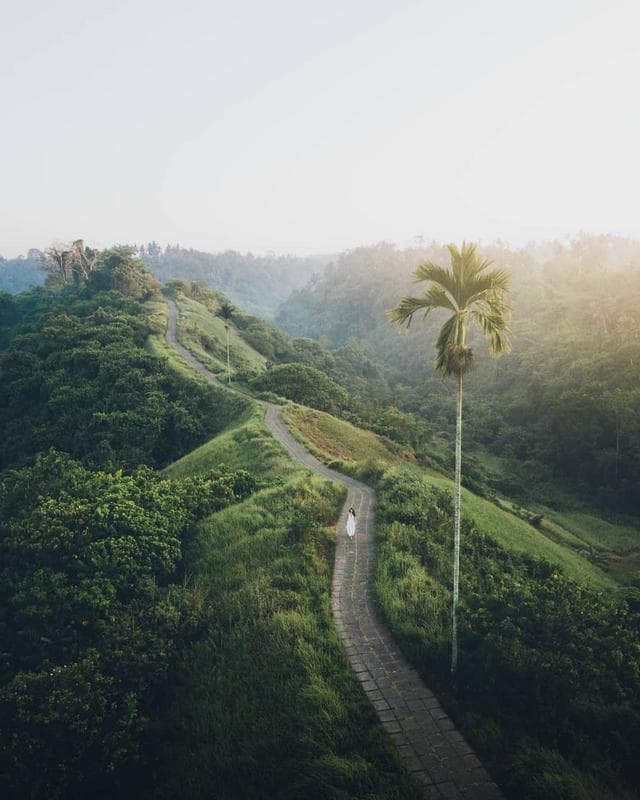
The wet season is growing season. At Jatiluwih, farmers grow a local red rice that takes about six months to ripen and harvest it every June, so the rainy months are when the terraces fill with young rice. Closer to Ubud, the Tegallalang rice terraces make a shorter trip for a break in the weather. See more places to visit in Ubud.
Waterfalls carry far more water, which is both the draw and the risk. After heavy rain, rivers such as the one below Tegenungan Waterfall can rise fast and spill over their banks, and landslides can block the narrow roads in the northern hills. Steps and jungle paths, such as those down to Tukad Cepung and Sekumpul, get slippery, and sites can close on short notice. Ask your driver or the site staff about conditions before you set out, and stay out of the water when it runs brown and fast. Guided trips, such as an Ubud waterfall day tour or Ayung River rafting, run with local crews who can advise on the day’s conditions.
10Flooding, Traffic and Riding a Scooter in the Rain
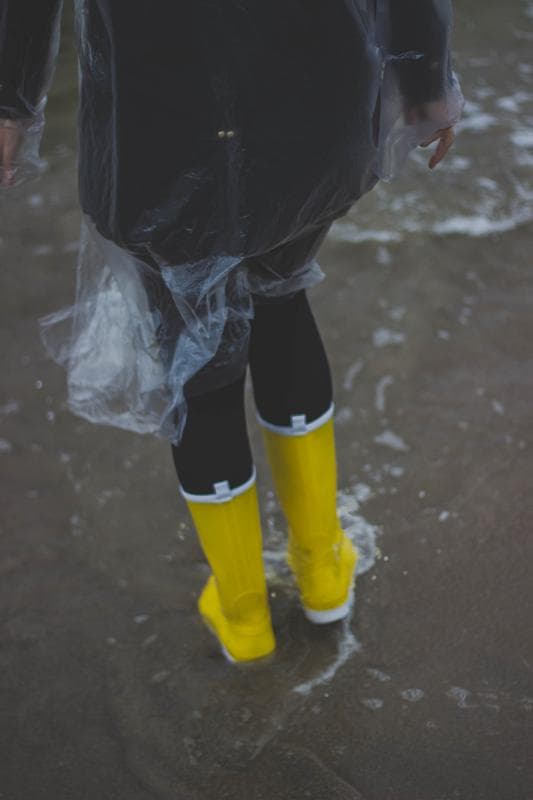
Heavy rain can flood streets in Denpasar and the southern resort areas. In September 2025, two days of torrential rain flooded Denpasar and six of Bali’s eight regencies, blocked roads, including access to the airport, and killed 18 people. In February 2026, flooding in Denpasar and Badung forced about 350 people, among them dozens of tourists, to move to safety, and two international flights were diverted. The province now has flood sirens at 12 river points, and the disaster agencies watch flood-prone areas such as Kuta and Seminyak in Badung and Sanur, Padangsambian and Renon in Denpasar.
Allow extra time for the airport when it pours, never ride or drive through moving water, and take a car from Grab or Gojek rather than a scooter in a downpour. If you have not ridden a scooter before, the wet season is not the time to learn.
11Cyclones: Rare Direct Hits, Real Side Effects
Bali has no hurricane or typhoon season of its own. Tropical cyclones in this region form mostly over the Indian Ocean to the south during the Australian cyclone season, November 1 to April 30, and their centers rarely pass over Indonesia because it lies so close to the equator. BMKG called Cyclone Seroja, which formed among the East Nusa Tenggara islands in April 2021, an anomaly because cyclones rarely form that close to the equator.
What Bali does feel are the side effects. In January 2025, with Cyclone Sean far to the southwest off Western Australia, BMKG forecast moderate to heavy rain, winds of about 44 km/h and waves of up to 3 meters south of Bali. When BMKG reports a cyclone, or a tropical low that could become one, south of Nusa Tenggara, expect rough seas, boat cancellations and a few wet days, and follow its warnings.
12Dengue Cases Rise in the Rainy Months
Rainwater collecting in containers gives the Aedes mosquitoes that spread dengue more places to breed. Bali’s provincial health office (Dinkes Bali) says cases usually start climbing in late November, and for 2025–26 it forecast the peak in April. Bali recorded 9,704 dengue cases and 14 deaths from January to September 2025, most of them in Badung, Gianyar and Buleleng.
These mosquitoes bite during the day, so use a repellent containing DEET, picaridin or IR3535 and wear clothes that cover your arms and legs. If you develop a fever during or after your trip, see a doctor.
13Pack for Rain and Pay the Tourist Levy Before You Fly
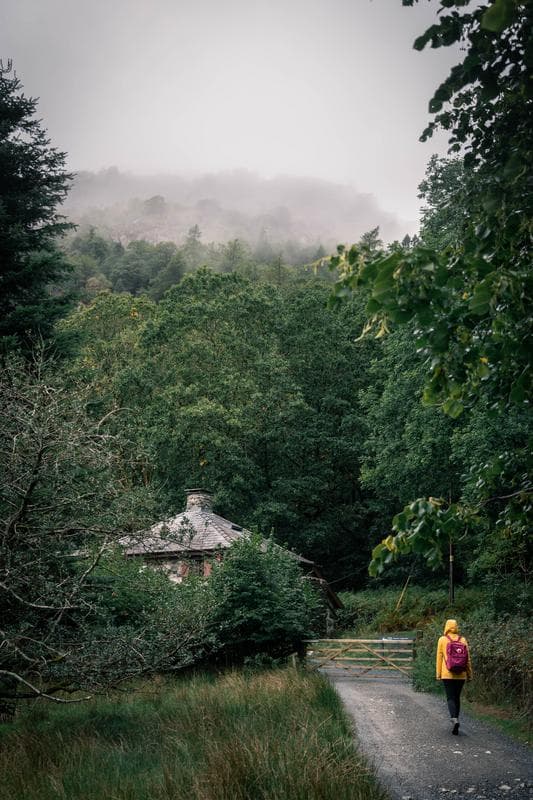
Pack a light rain jacket or poncho, quick-drying clothes, sandals or sneakers with grip, a dry bag for your phone and passport, and insect repellent. An umbrella helps in town but not on a scooter.
Every foreign visitor also owes Bali’s tourist levy of IDR 150,000, paid once per trip. It is still collected in 2026: by August, about 43% of arriving foreign visitors had paid, and airlines on international routes to Bali agreed to announce it on board. Pay on the official Love Bali website before you fly, by card, bank transfer, virtual account, UnionPay or QRIS, and keep the QR voucher that arrives by email. Counters at the airport and seaports also take payment. KITAS holders and some other visa holders are exempt.
14Rainy-Day Plans: Spas, Cafés and Events

A downpour is a good excuse for a long massage. Browse our picks for spas in Ubud and spas in Kuta and Legian, then sit out the next shower in one of our recommended cafés in Ubud or cafés in Canggu. Our events calendar lists parties, festivals and cultural events during your dates, and the destination guides help you match indoor and outdoor stops to each area.
Frequently Asked Questions
When is the rainy season in Bali?
Bali’s rainy season runs from about November to March, and January is the wettest month. On the south coast the core wet months are December to March, with November and April as transition months. For 2026–27, BMKG expects rain to reach parts of Bali in November 2026 and most of the island in December, with the peak in February 2027.
Which month has the most rain in Bali?
January. At Ngurah Rai Airport it averages 351 mm of rain (1991–2020) and about 27 rain days, ahead of December (327 mm) and February (290 mm). July is the driest month, with 28 mm.
Is it worth visiting Bali in the rainy season?
Yes, for most trips. Even in January and February the airport weather station logs about 5 to 7 hours of sunshine a day on average, and mid-January to March is quieter than July. It is a weaker choice if your plans depend on fixed-date boat crossings, clean west-coast beaches or a Mount Agung climb.
Does Bali have a hurricane or cyclone season?
Not as such. The Australian region’s tropical cyclone season runs from November 1 to April 30, but cyclone centers rarely pass over Indonesia because it lies close to the equator. Bali feels the side effects: heavier rain, strong winds and waves of up to 3 meters that can stop boats to Nusa Penida and the Gili Islands.
What is the difference between Bali’s dry and wet seasons?
The dry season runs from about May to October, when the east monsoon brings dry air from Australia; July averages just 28 mm of rain on about 4 days. The wet season, from about November to March, comes with the Asian monsoon and brings more than 230 mm a month from December to March, with daytime highs around 33°C against about 30°C in July and August.
Is the wet season the same as monsoon season in Bali?
Yes. BMKG links Bali’s wet season to the Asian monsoon, whose westerly winds bring moist air from about November to March. The same monsoon also roughens the straits around Bali: in February 2026, BMKG forecast waves of 1.25 to 2.5 meters in the Badung and Lombok Straits.
Where is the best area to stay in Bali when it rains?
Ubud is the easiest all-weather base, with spas, cafés and temples close together. Sanur and Nusa Dua on the east coast are away from the west-coast debris and have the wet-season surf. In Kuta, Seminyak and Canggu, pick a hotel away from known flood spots, such as parts of Kuta near the airport.
Is the rainy season Bali’s off-season?
Only partly. Christmas to New Year is peak season, and Badung’s hotel association said rooms were fully booked from December 24, 2025, into early January. The quieter windows are early December and mid-January to March: in 2025, Bali averaged about 484,000 foreign arrivals a month from January to March, against 697,107 in July.
Does it rain all day in Bali in the wet season?
Rarely. January has rain on about 27 days in BMKG’s count, yet the airport weather station still logs about 5 to 7 hours of sunshine a day in January and February, so most days mix sunny spells with heavy showers. Keep outdoor plans flexible and have an indoor option for the wettest hours.