
Ubud · Nature
Sacred Monkey Forest Sanctuary, Ubud: A Visitor’s Guide
Three 14th-century temples, a banyan ravine and about 1,000 light-fingered macaques.
By The Bali Guideline Editorial TeamUpdated 15 October 2026
Overview
Sacred Monkey Forest Sanctuary, before you go.
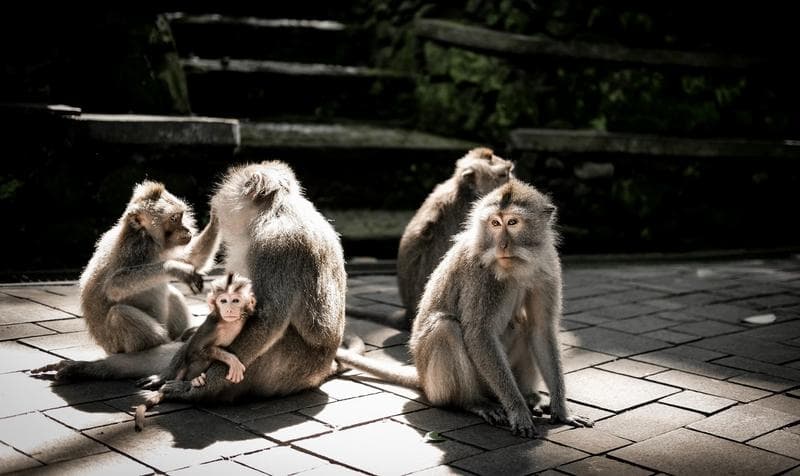
The Sacred Monkey Forest Sanctuary is a 12.5-hectare temple forest at the south end of Monkey Forest Road in central Ubud, home to about 1,000 long-tailed macaques and three 14th-century temples. Adult tickets cost IDR 130,000. It is worth one to two hours if you are relaxed around bold monkeys; skip it if a macaque on your shoulder would ruin your day.
The sanctuary’s formal name is Mandala Suci Wenara Wana, the sacred forest of the monkeys. It belongs to the village of Padangtegal, whose members sit on its governing council, still pray at its three temples and bury their dead in its cemetery. According to the village’s temple chronicle, the temples were built around the middle of the 14th century. The forest is run on Tri Hita Karana, the Balinese idea that well-being comes from balance between people, nature and God.
Macaques live in several temple forests in Bali, including Sangeh and Uluwatu, and villagers treat them as part of the sacred site rather than as a show. Here staff feed them sweet potato, their main food, plus banana, papaya leaf and other local produce, nine times a day. The population has grown fast. Wikipedia’s count for 2011 was about 605 animals; the sanctuary now counts about 1,054 in seven troops, each named after the part of the forest it holds, such as Temple, Cemetery and Central. A new block of forest was planted in the 1990s to give them more room.
Inside, paved paths and stone stairways wind through tall trees, moss-covered statues and a ravine with a stream at the bottom. There are no fences between you and the monkeys. They sit on the railings, groom on the paths, wrestle in the pond at the center and climb anyone who looks like they carry food. The temples are open only for worship, but you see their gates and carvings from the paths.
Know the catches before you pay. The forest sits in the middle of Ubud, so from late morning it fills with tour groups. The monkeys snatch sunglasses, hats, earrings, water bottles and anything in a plastic bag, and bites do happen, mostly to people who touch or feed them. Older guides quote lower prices and separate weekday and weekend rates; the official site now lists one price, IDR 130,000 for adults and IDR 100,000 for children (checked Oct 2026). And on 8 September 2026, the first day of Ubud’s new one-way traffic scheme, Monkey Forest Road and Jalan Hanoman were among the streets locked in gridlock for more than four hours, so walking in from your hotel is often quicker than driving.
Is it worth it? For first-time visitors to Bali, yes. Few places let you watch a whole troop’s daily life this close, and the ravine with its holy spring, dragon bridge and banyan roots is worth seeing on its own. If you have already met macaques at Uluwatu, or animals that grab make you anxious, spend the money elsewhere in Ubud.
- Opening hours
- Daily 9 am–6 pm, last entry 5 pm (checked Oct 2026)
- Ticket
- IDR 130,000 adults, IDR 100,000 children (checked Oct 2026)
- Time needed
- 1–1.5 hours; about 2 with photos and the monkey selfie
- Best time
- 9–10 am at opening, or after 4 pm
- Dress code
- No sarong needed; no revealing clothes; shoes with grip
- Location
- South end of Monkey Forest Road, 15–20 min walk from the palace
Jalan Monkey Forest, Padangtegal, Ubud, Gianyar, Bali 80571
Open in Google MapsWhat to See
What to see at Sacred Monkey Forest Sanctuary.
- 01
Pura Dalem Agung Padangtegal, the main temple
The main temple stands in the south-west of the forest and is dedicated to Shiva as the transformer, with shrines that also honor the goddess Durga. As the village’s temple of the dead, it is linked to the cemetery and the cremation temple on the far side of the forest. Only worshippers in temple dress go inside, but the carved gate and guardian statues are clear from the path. One of the seven monkey troops, the Temple group, is named after it.
- 02
The Holy Spring Temple and the dragon bridge
Down in the ravine on the north-west side, Pura Beji is built around a spring dedicated to Gangga, goddess of the river. Villagers bring temple statues here to purify them before ceremonies and come for melukat, cleansing with holy water. You cannot enter, but the stairs down past hanging banyan roots to the stream and a stone bridge guarded by dragon statues make this the most atmospheric part of the forest. People toss coins into the spring pool in the hope a wish comes true.
- 03
Pura Prajapati and the village cemetery
In the north-east corner, Pura Prajapati honors Brahma Prajapati, who is believed to look after the souls of the dead until cremation. Beside it lies Padangtegal’s cemetery, where bodies are buried temporarily until the village holds a mass cremation, about every five years or on an auspicious day in the Balinese calendar. Treat it as what it is, a working village burial ground, and keep your voice down. The Cemetery troop of monkeys lives around it.
- 04
The central banyan and monkey pond
Paths meet at the center of the forest beside a huge banyan tree that the sanctuary says is at least 100 years old, next to a pond where the monkeys drink, swim and bathe. It is the best place to watch troop life: mothers nursing infants, juveniles chasing each other into the water and staff arriving with sweet potatoes. Signed paths lead from here to all three temples.
- 05
Statues, the Durga cave and the split gate
Much of the carved stone here tells a story. A statue of Durga with her tiger and one of Sri, the rice goddess, stand at the lobby. Deeper in, a small cave shrine holds a Shiva lingga and a relief of Durga in her fierce form, and a split gate carved with snakes and an owl, the messenger of death, stands for the mountain and its forest. Most visitors walk past these at speed; slow down and look.
- 06
Seven troops, and when the babies arrive
About 1,054 macaques live here in seven troops: Cemetery, Central, Michelin, East, Temple, South and New Forest, each with its own territory. Troops must cross each other’s ground to reach water in the dry season, one reason fights break out. Adult males weigh up to about 8 kg. Mating peaks from May to August and pregnancy lasts about six months, so newborns clinging to their mothers are most common late in the year.
- 07
The monkey selfie and weekend dances
The only close contact allowed is supervised by staff. The sanctuary sells a monkey selfie voucher for IDR 50,000 (checked Oct 2026), where a handler helps a monkey sit with you for a photo. The official site also lists Balinese dance on the open stage beside Wana Café on Saturdays and Sundays at 11 am and 4 pm. Ask at the lobby whether the dances are running before you plan around them.
Seasons
Best time to visit Sacred Monkey Forest Sanctuary.
Arrive at 9 am, when the gates open. The paths are quieter, the air is cooler under the trees, and the monkeys tend to be calmer than in the crowded middle of the day. Tour groups build from mid-morning to early afternoon. After 4 pm the forest empties again, though last entry is 5 pm and some troops have moved deeper into the trees by then. Staff feed the monkeys nine times a day, so you will see a feeding at almost any hour.
April to October is the dry season and the easiest time for the stone stairs. From November to March, rain makes the paths and moss slick, but the canopy keeps you shaded and the forest is greener and quieter. July, August and the Christmas holidays are the busiest months. Because mating peaks from May to August, very young infants are most common from late in the year.
The forest is open every day except Nyepi, Bali’s day of silence (next on 8 March 2027), when the whole island stays indoors. On temple anniversaries and other ceremony days you may meet villagers in temple dress carrying offerings to the temples; step aside, and never walk in front of people praying.
Getting There
How to get to Sacred Monkey Forest Sanctuary.
| From | Time | How |
|---|---|---|
| Ubud Palace and central Ubud | 15–20 min on foot | Walk south down Monkey Forest Road, about 1.2 km past shops and cafés. The sidewalk is narrow and broken in places, so walk single file. |
| Nyuh Kuning and Pengosekan | 5–15 min on foot | Both villages sit just south and east of the forest, about 1 km away, close enough to walk to the lobby. |
| Bali airport (DPS) | 75–120 min | About 38 km by car to central Ubud. Pre-book a transfer or use Grab or Gojek from the airport pickup zone. |
| Seminyak, Kuta or Canggu | 75–120 min | About 30–40 km by car or driver. Traffic around Denpasar sets the time; leave before 8 am to reach the forest near opening. |
| Sanur | 45–60 min | About 25 km by car. The easiest beach base for a morning in Ubud. |
| Uluwatu or Nusa Dua | 1.5–3 hours | About 45–60 km by car, the slowest common transfer on the island at rush hour. Combine it with a full day in Ubud rather than a quick visit. |
Getting around Sacred Monkey Forest Sanctuary
The main entrance is the ticket lobby on the east side of the forest, beside the sanctuary’s own parking area and parking building off Jalan Monkey Forest. The lobby has ticket counters, card-only self-service kiosks, lockers for bags, the Wenara café and a koi pond. The official map also marks a Gate 2 and Gate 3, but the lobby is where tickets, lockers and information are.
If you come by car or scooter, use the sanctuary’s parking rather than stopping on Monkey Forest Road, where roadside parking is what jams the center. The sanctuary does not publish a parking rate, so carry small notes. Since 8 September 2026, tour buses have been barred from central Ubud and use the Dalem Puri parking area, and Jalan Raya Pengosekan runs one-way northbound toward the Monkey Forest junction, so allow extra time while the scheme settles.
Most visitors simply walk in. Grab and Gojek will drop you at the lobby, but local transport groups discourage app pickups around the Monkey Forest, so for the ride back walk a few hundred meters to a side street or book your hotel’s driver. Inside, the lobby and upper paths are paved and manageable with a stroller or wheelchair, but stepped paths lead down into the ravine and the Holy Spring Temple.
Know Before You Go
Sacred Monkey Forest Sanctuary tips that save time and trouble.
- 01Leave food, snacks, drinks and plastic bags outside the forest. They are banned, and the lockers in the lobby are there for exactly this.
- 02Put sunglasses, hats, earrings, necklaces and phones inside a closed bag before you walk in. The monkeys go for small shiny objects and anything that looks like food.
- 03Do not stare a monkey in the eye. The sanctuary warns that eye contact can read as a threat.
- 04Never touch, pick up or feed the monkeys, including peanuts and bananas. Only staff feed them, and bites mostly follow people breaking this rule.
- 05If a monkey jumps on you, do not scream or run. Stand up, walk slowly and ask the nearest staff member for help; it will usually jump off within moments.
- 06If you are scratched or bitten, go straight to the first-aid clinic inside the sanctuary, then see a doctor the same day about rabies vaccination.
- 07Hold young children’s hands and leave toys at the hotel. The sanctuary’s own rules single out children who try to play with the monkeys.
- 08Pay by card at the self-service kiosks to skip the counter queue; the kiosks do not take cash.
- 09Wear shoes with grip, not flip-flops, and watch for falling branches, which the sanctuary lists as a natural hazard.
FAQ
Sacred Monkey Forest Sanctuary questions, answered.
How much is the Ubud Monkey Forest ticket?
IDR 130,000 for adults and IDR 100,000 for children, according to the official website (checked Oct 2026). The sanctuary does not publish the age cutoff for a child ticket, so ask at the counter. You can pay cash or card at the counter, card only at the self-service kiosks, or book online through the Book Now link on the official site.
What are the Monkey Forest opening hours?
The sanctuary opens daily from 9 am to 6 pm, with last entry at 5 pm (checked Oct 2026). Come at opening for the quietest paths. It closes for Nyepi, Bali’s day of silence, when the whole island shuts for 24 hours; the next Nyepi falls on 8 March 2027.
Is Ubud Monkey Forest safe?
Mostly yes, if you follow the rules. Bites happen, but mostly to people who touch, tease or feed the monkeys. A 2002 study of workers at Bali’s Sangeh monkey forest found injuries were far more common among people who fed the macaques. Staff patrol the paths and carry slingshots to warn off aggressive monkeys. Leave food and loose items behind, avoid eye contact and stay calm.
What should I do if a monkey bites or scratches me?
Go straight to the sanctuary’s first-aid clinic, where a nurse will clean and treat the wound. Then see a doctor the same day. The US CDC advises washing any animal bite or scratch with soap and water and getting medical care immediately, because rabies is present in Indonesia and is fatal once symptoms start. The doctor will decide whether you need rabies shots.
Do the monkeys in Ubud have rabies?
No case has been found. The sanctuary cites 14 years of research by anthropologist Agustin Fuentes that found no rabies in Bali’s monkeys, and it monitors their health with Udayana University’s primate research center. Rabies does circulate among dogs in Indonesia, though, and a 2002 study found most adult macaques at Sangeh carried antibodies to herpes B virus, with no human case reported in Bali. Treat any bite seriously.
What are the Monkey Forest rules?
No food, drinks or plastic bags. Do not touch, pick up or feed the monkeys; only staff may feed them. Avoid direct eye contact. If a monkey jumps on you, stay calm and walk slowly. Keep jewelry and small objects out of sight, supervise children, dress respectfully, stay out of the sacred areas marked by signs and bring no plastic into the forest.
Can I bring a bag into the Monkey Forest?
Yes, but not a plastic bag, and nothing edible inside it. The sanctuary bans plastic bags because monkeys grab them, and it provides lockers in the lobby for anything you do not need. A backpack or zipped day bag worn on your front is the safest option. Keep water bottles inside the bag rather than in a side pocket.
How long do you need at the Monkey Forest?
Plan on one to one and a half hours. You can walk the main paths in under an hour, but most people stop to watch the monkeys at the central pond and walk down to the Holy Spring Temple. Allow about two hours if you want the monkey selfie and plenty of photos.
Is the Monkey Forest good for kids?
For children old enough to follow rules, yes; for toddlers it can be frightening. Monkeys are drawn to toys, snacks and small hands, so hold hands, leave toys behind and brief children not to run or stare. Child tickets cost IDR 100,000 (checked Oct 2026). Use a baby carrier instead of a stroller because of the stone stairs into the ravine.
Can you go inside the temples at the Monkey Forest?
No. The three temples are used by the village for prayer, and only worshippers in Balinese temple dress may enter. You can see the gates, walls and statues from the paths. Because you stay outside, no sarong is needed, but the sanctuary asks visitors not to wear revealing clothing in this sacred area.
Is the Ubud Monkey Forest worth visiting?
Yes for most first-time visitors. You walk among about 1,000 macaques in a real temple forest, with a ravine, holy spring and old stone carvings, at the edge of central Ubud. It is less worth it if you have seen macaques at Uluwatu, dislike crowds, or are nervous around animals that grab. Go at 9 am for the best visit.
Nearby
Where to go after Sacred Monkey Forest Sanctuary.
Places close by that fit into the same trip, with honest travel times.
15–20 min on foot
Ubud Palace and Ubud Art Market
Walk up Monkey Forest Road to the royal palace courtyards and the market opposite, then return for an evening dance.
15–20 min on foot
ARMA and Pengosekan
Classical Balinese painting in a garden museum, and cafés and spas along Jalan Raya Pengosekan.
30–35 min on foot, 10 min by car
Campuhan Ridge Walk
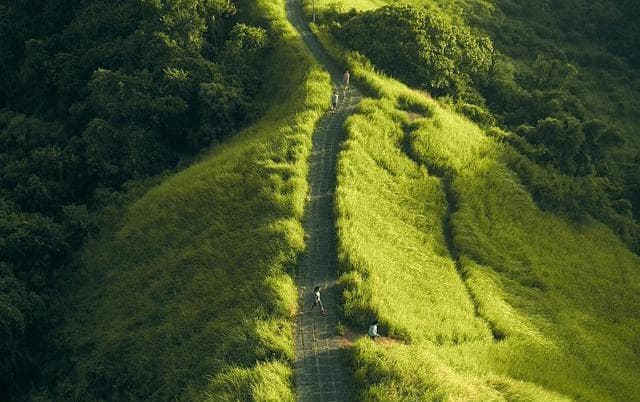
A free, shadeless ridge path to rice fields; walk it at sunrise, then reach the Monkey Forest at opening.
Visitor guide15–20 min by car
Goa Gajah (Elephant Cave)
An 11th-century rock-cut sanctuary with bathing pools and a path down to the Petanu River.
Visitor guide25–35 min by car
Tegenungan Waterfall
The big waterfall closest to Ubud, with about 200 steps down to a wide pool.
Visitor guide25–40 min by car
Tegallalang Rice Terrace
Bali’s most photographed terraces, best at 7 am before the swings and crowds.
Visitor guide
Read Next
More Sacred Monkey Forest Sanctuary guides.
How we researched this
Sources and fact checks.
Prices, opening hours, show times and travel times in this Sacred Monkey Forest Sanctuary guide were checked against official sites, government tourism pages and recent reporting on 14 October 2026. Where sources disagreed, we give the official figure and say so. Rankings are our editorial judgment, set out in our editorial policy.
We re-check the guide at least every three months and whenever we hear about a change. Spotted something out of date? Tell us.
Show all 21 sources ↓Hide sources ↑
- monkeyforestubud.com
- monkeyforestubud.com/visit
- monkeyforestubud.com/guidelines-faq
- monkeyforestubud.com/sacredplaces
- monkeyforestubud.com/about-us
- monkeyforestubud.com/monkeys
- monkeyforestubud.com/culture
- monkeyforestubud.com/map
- megatix.co.id/white-label/forest-of-monkeys
- en.wikipedia.org/wiki/Ubud_Monkey_Forest%20(coordinates,%202011%…
- baliholidaysecrets.com/ubud-monkey-forest
- couplestravelstories.ca/sacred-monkey-forest-sanctuary
- wwwnc.cdc.gov/travel/destinations/traveler/none/indonesia
- wwwnc.cdc.gov/eid/article/8/8/01-0467_article
- bali.live/p/ubuds-main-streets-turned-one-way-drivers-stu…
- baliholidaysecrets.com/how-to-get-to-ubud
- baliuntold.com/getting-around/airport-to-ubud
- nominatim.openstreetmap.org/%20(distances%20to%20nearby%20sights)
- thebaliguideline.com/blog/incredible-places-to-visit-in-ubud
- thebaliguideline.com/blog/best-restaurants-ubud
- thebaliguideline.com/blog/best-hotels-resorts-villas-in-ubud-where-t…