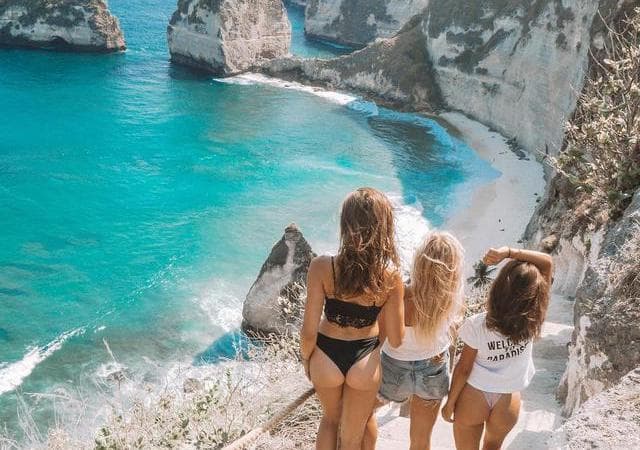
The rules changed in 2026. Since 1 September, under Klungkung regency’s One Gate One Destination system, foreign visitors pay an island fee on arrival and everyone pays a ticket at each of the main sites, on top of Bali’s IDR 150,000 tourist levy. Swimming has been banned at Kelingking, Diamond Beach and Angel’s Billabong since 2023, and a 182 m glass lift down the Kelingking cliff, halted and ordered removed in November 2025, was still standing after a court ruled for its developer in September 2026; the province says it will appeal.
Daily life runs on thin infrastructure. Power comes from a small island grid of diesel and solar that was running at its limit in 2023, several upland villages still buy water by the tanker, and the public hospital, RSUD Gema Santi, sends serious cases to mainland Bali. Central-government money paid for new asphalt on key roads in 2024, including 6 km from Bunga Mekar toward Kelingking, but side roads to the coast are still steep, potholed or clay.
The sea is the other draw. The waters around the island form a marine protected area of about 20,057 ha, and in 2024 the International Maritime Organization named Nusa Penida and the Gili Matra islands Indonesia’s first Particularly Sensitive Sea Area. Reef manta rays feed off the south-west coast all year, and ocean sunfish rise along the walls from July to October.
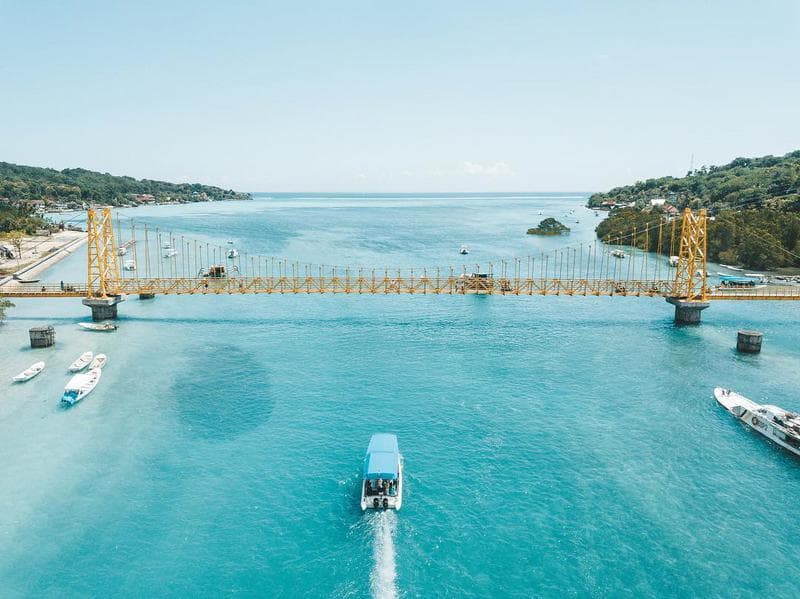
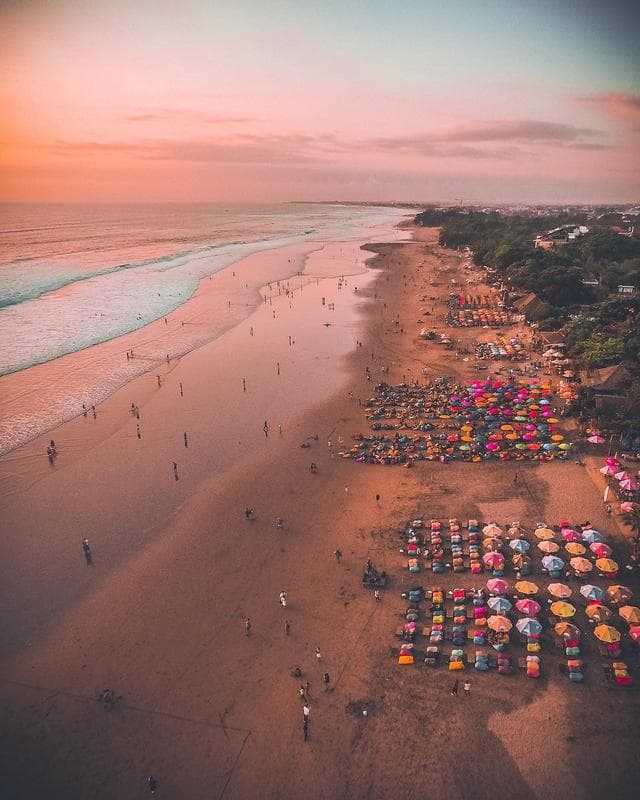
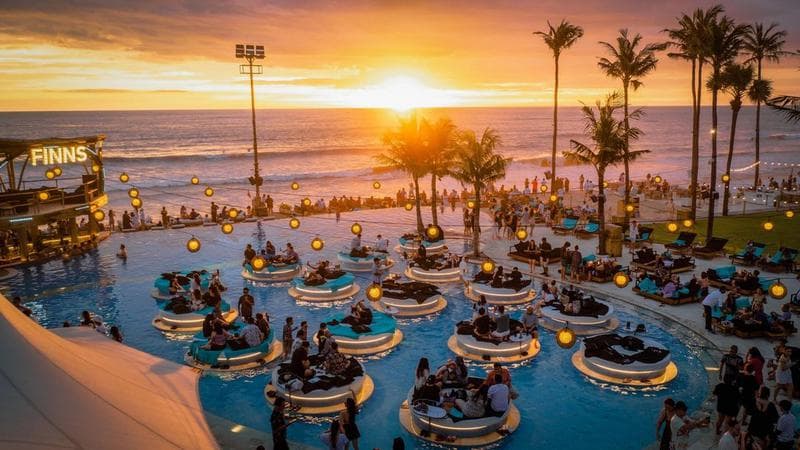
Compared with Nusa Lembongan, ten minutes away by boat, Penida is wilder and harder work; Lembongan is smaller and gentler, with more beach bars and mangroves to paddle through. Compared with mainland Bali, you trade nightlife, shopping and ride-hailing apps for cliff scenery that nothing in the south matches, and for nights that go quiet soon after dark.

 01
01